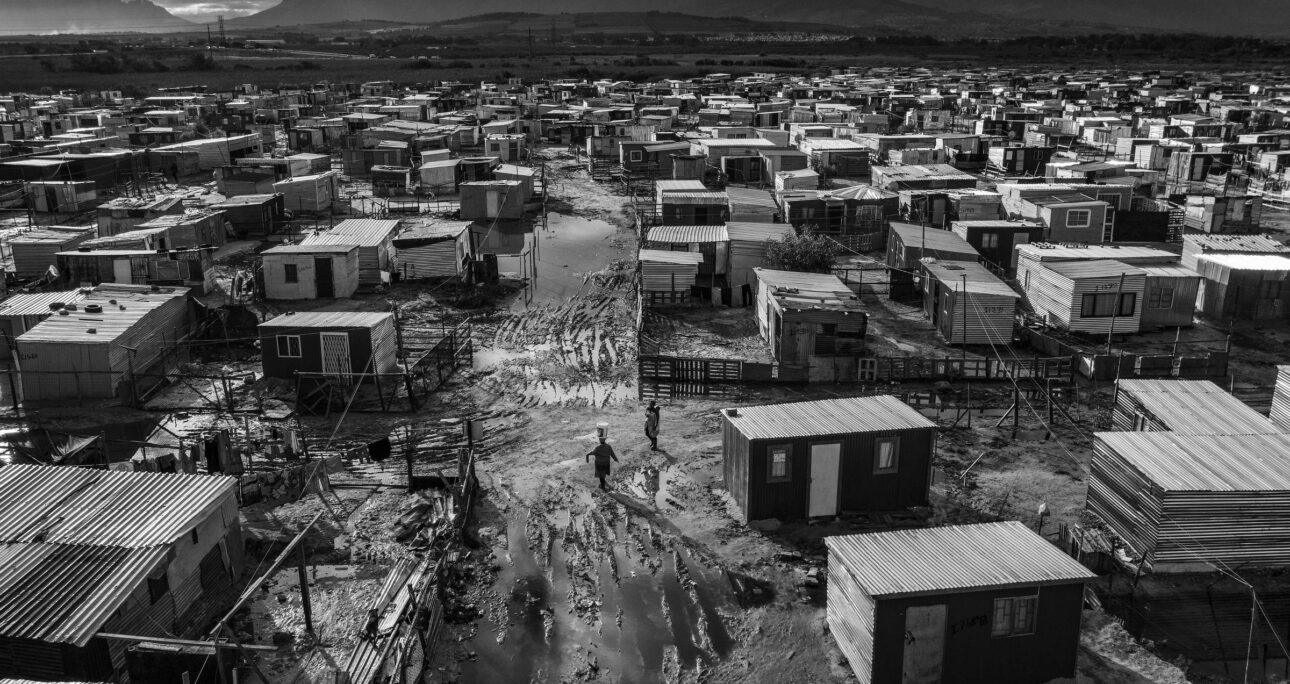
South Africa’s apartheid system has passed but its scars remain. And, given the pervasive racism in our world, it’s worth taking a moment to recall the degradation that policy imposed for nearly a half-century.
In 1945 when the Second World War ended, European countries were exhausted by the destruction of their countries. Most were nearly bankrupt. England released its colonies to run their own affairs. Canada, New Zealand, and Australia established democracies. Not South Africa!
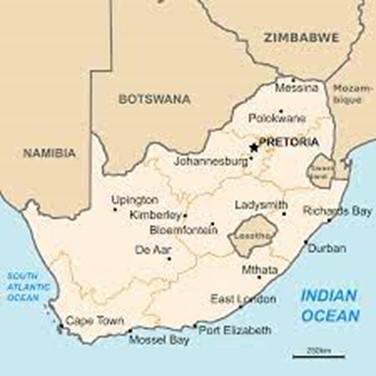
At the tip of the African continent, South Africa linked the Atlantic and Indian Oceans. The country was rich in natural resources, gold, diamonds, platinum, and now, with the advent of the nuclear age, uranium. It had 5 million whites and 15 million blacks, mostly Xhosa, as well as significant Indian and Moslem minorities. It was and continues to be a country of enormous beauty with a long and rich history.
Freed from the yoke of Mother England looking over their shoulder, the white majority in Praetoria was free to establish the form of government it wanted, and what it wanted was to retain control. The ‘kaffirs’ were good for working in the fields and the mines but we, ‘the whites,’ built this country and, damn, we’re going to make sure that didn’t change.
The Apartheid laws they passed were onerous. All blacks were removed from the cities and relocated to ‘townships,’ often ten or more miles from where their jobs, their children’s schools, and their entire infrastructure existed. One community in the center of Cape Town, District 6, with more than 50,000 racially diverse families enjoying one another’s food, music, and social life was bulldozed. There would be no mixing of the races.
Instead, these townships, crowded with tin lean-tos for shelter, had no paved streets, no water, no sewers. Blacks now had to carry Identity passes to enter cities where their menial jobs were. What schools there were, could only teach in Afrikaan, not English.
By the early 1980’s the country was beginning to unravel. Years of civil disobedience, world condemnation and sporadic violence, were taking their toll. More than a million whites were leaving, afraid of what they might face under a black government. After all, it hadn’t gone well for whites in Zimbabwe when Robert Mugabe came to power. Now another threat arose. HIV/AIDS had begun to infect large segments of the population. Beginning with the gay community, it quickly spread to include drug users and those needing blood transfusions.
Finally, Nelson Mandela was moved from his Robben Island prison where he’s been sent25 years earlier, and negotiations for a new government were initiated. With the support of the African National Congress, Bishop Desmond Tutu, and others, elections would be held to ensure a peaceful transfer of power. Mandela, a smiling, quiet, charismatic man, took office in 1994 as South Africa’s first President.
He worked tirelessly to unify the country, a ‘rainbow’ coalition of all South Africans. The whites needed to be convinced it was safe for them to stay. They possessed the knowledge and experience that had built the country. It would take time to train competent black leaders. Further complicating life for the new government, another ten million unskilled blacks began pouring into the country from neighboring countries, such as Congo, Zimbabwe, and Mozambique. People looking for a better life for themselves and their families. It would strain South Africa’s ability to provide a health net for those who needed it most.
For more, read The Human Spirit – Apartheid’s Unheralded Heroes by Carole Eglash-Kosoff, available on Amazon.