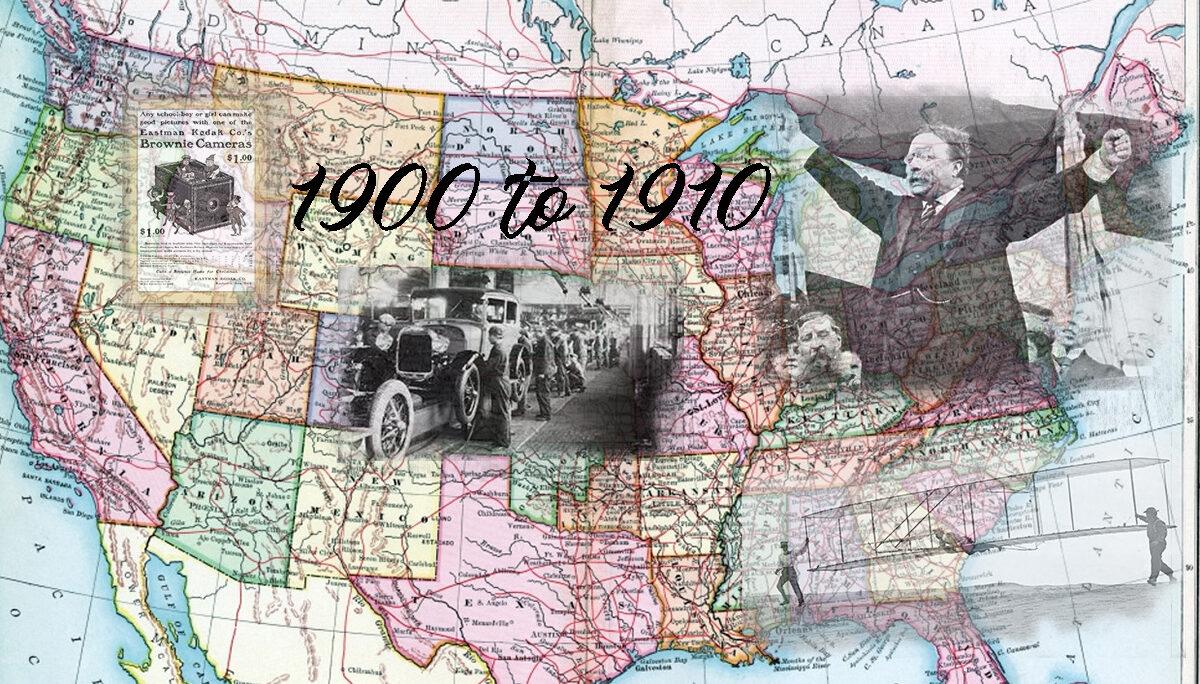
1900 to 1910
It was a new century filled with unbridled expectations. The population of the United States had just passed 75 million of which more than 10 million had been born outside of the United States. There were 45 states in the Union now stretching from ‘sea to shining sea.’ The scars of the Civil War lingered. Slavery had been replaced by share-cropping contracts, and the result had been continued subjugation of the now nearly 9 million Negroes in the country.
In April 1900 the Paris Exposition opened its gates to honor the glory of France and present new inventions which would change everyone’s lives. A huge Ferris wheel towered over the buildings around it, buildings that showcased talking films, escalators, audio recorders, and cute Matryoshka nesting dolls. The 2nd of the modern Olympic games was held and, for the first time, women were allowed to participate.
President McKinley was assassinated only months into his 2nd term by a deranged anarchist. Theodore Roosevelt became President. Teddy was filled with an unabated zeal. As an outdoorsman, and now the country’s leader, he established five national parks, the National Wildlife Refuge system, and protection for more than 100 million acres of national forests.
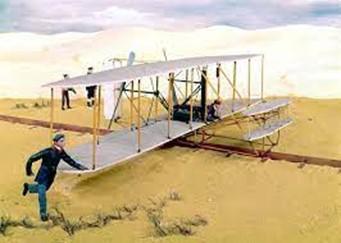
In 1903 the Wright Bros airplane first took flight.
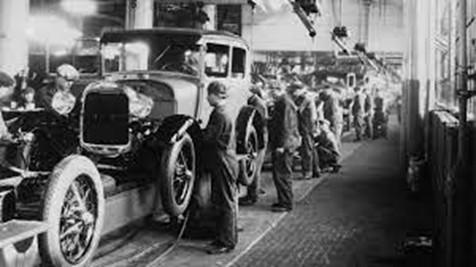
A few years later Henry Ford delivered his first Model-T… Price: $850. It was produced on the world’s first assembly line.
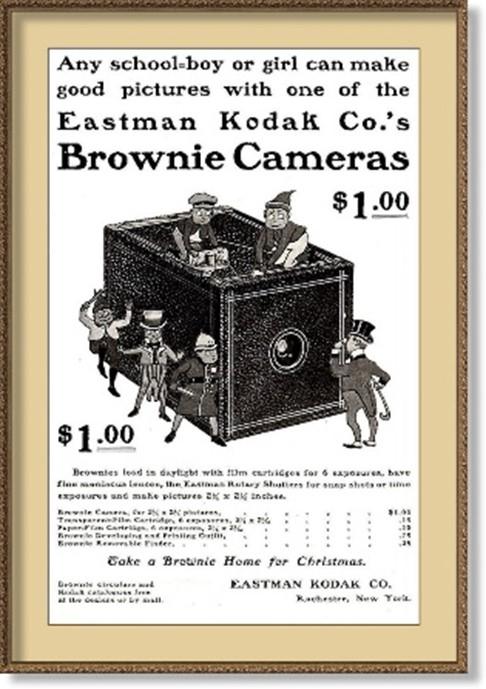
George Eastman began to sell a portable camera, and a craze to take pictures swept the nation.
The first electric typewriter was produced, and the first comic book was published. A loaf of bread cost less than a nickel. The average wage was $.22/hour, and a pound of apples cost $.12.
In 1905 the world’s first Nickelodeon movie theatre opened in Pittsburgh. Nearly 500 people waited to fill the 96-seat theatre, paying $.05 for the pleasure. The embryonic movie industry would soon change America. A year later more than 3,000 people died because of a massive earthquake that shook the San Francisco Bay area.
As the 19th century had ended the United States continued to foment a revolution in Panama, demanding that it be independent…no longer a part of Columbia. Once done, our government negotiated a treaty for a Panama Canal zone with the intention of building a canal, like the Suez Canal, linking the Pacific and Atlantic oceans, reducing transoceanic travel by 8,000 miles and months at sea. Construction was now underway.
Women still couldn’t vote; Negro men were rarely permitted to vote, and few men or women lived beyond the age of 50. No one knew what viruses were. Science had just discovered that there were different blood types, and the first case of Alzheimer’s was diagnosed. Doctors began to understand that a shortage of certain vitamins in the body caused diseases such as scurvy and rickets. A scientific approach to medicine began.
The population of Los Angeles was only 100,000 at the turn of the century; California, two million. Vaudeville was the favorite form of entertainment and George M. Cohan produced his first show. ‘Give my regards to Broadway’ topped the music charts.
Few people saw that a world war was on the horizon!