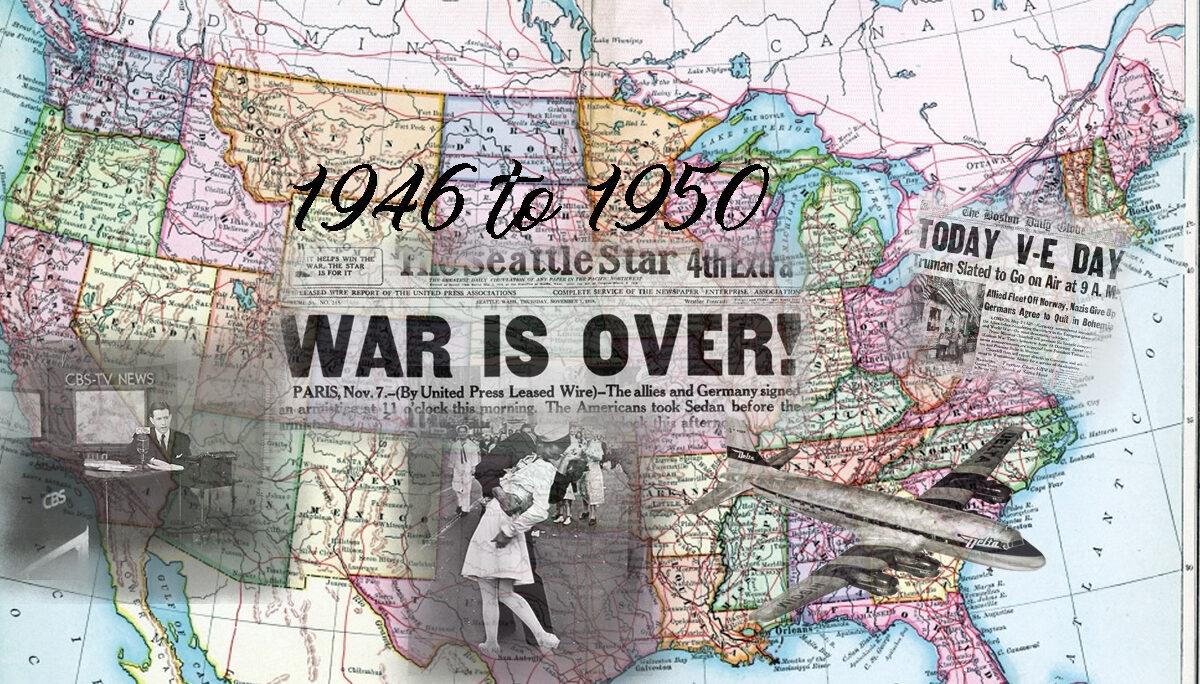
Thank God, the war was over! Universally, there was hope that a new world would rise, like the Phoenix, from its ashes…a world of peace and brotherhood. But much of Europe and the Far East had been flattened by years of relentless bombing. Millions were without homes or families. Soldiers, changed by war, returned to loved ones, strangers to one another. Colonies wanted freedom, women and minorities wanted equality. Could the world’s leaders steer a course through such a storm?
Only America had survived the destruction of its homeland and emerged as a beacon of freedom. The final nail in the coffin had come at a terrible price…the introduction of ‘atomic energy.’ It held the potential to provide limitless low-cost energy as well as the destruction of mankind.
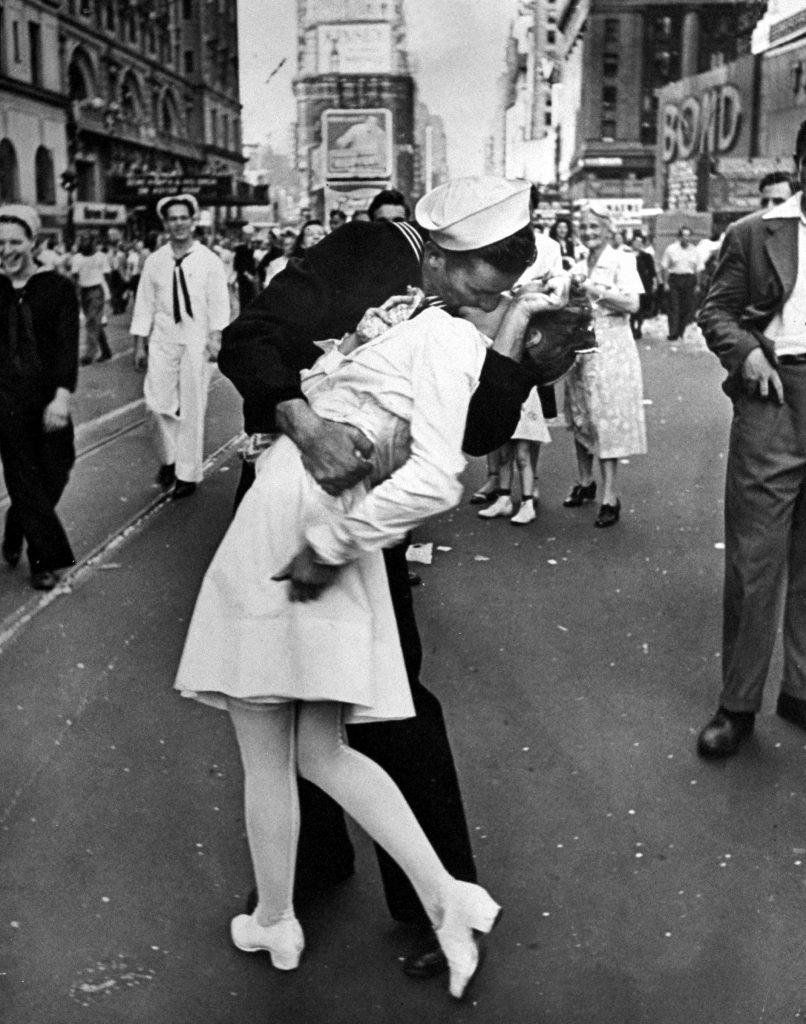
The country had changed during its war years. People had left their farms and moved into the cities to work in factories. Women left their homes to take jobs that men had always performed. Now more than 10 million military personnel are returning to civilian life, many had been away for years, their skills atrophied. The GI Bill was an enormous ‘thank you’ from a grateful nation, low-cost home loans and a free college education…fulfilling dreams that could turn hopes into realities.
The free-enterprise, capitalistic system responded with everything from new cars and washing machines to suburban tract homes and television sets. Let’s bring in Mexicans, ‘braceros,’ to expand our agriculture. But make them citizens? No way! More than one million Negroes served in the military, expecting greater opportunities when they returned. They were often disappointed, excluded from new housing, from Unions, from jobs. Racial inequalities persisted and anger simmered.
In 1948, Harry Truman, the quiet man who had ascended to the Presidency upon Roosevelt’s death, won an upset victory for another term. It inspired new confidence and impetus to his actions. In July he issued an Executive Order to integrate the entire U.S. Military. It followed by a year the first integration of a national sport when Jackie Robinson was signed to play baseball with the Brooklyn Dodgers.
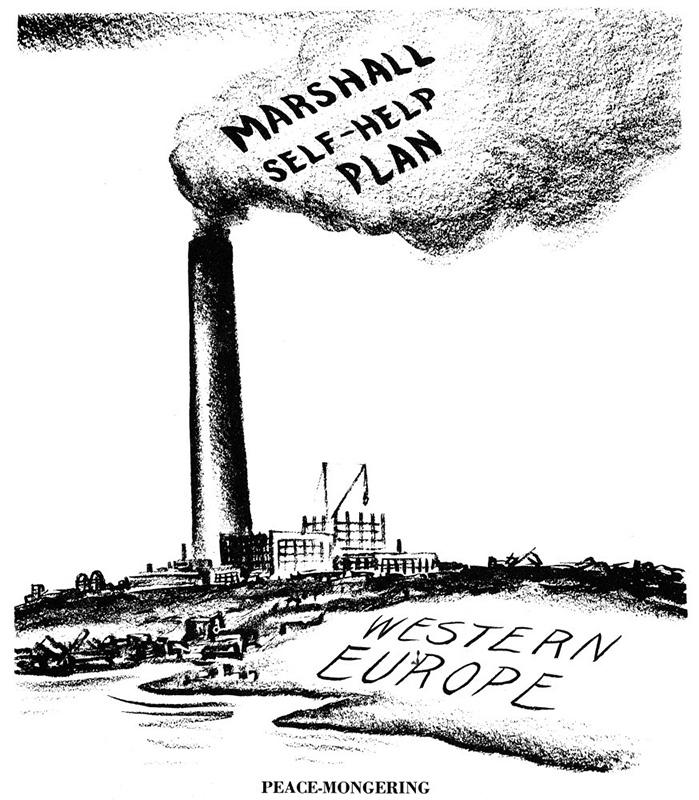
The rest of the world had not been idle. In 1947 the Soviet Union, dissatisfied with the shared occupation of Germany, blockaded the city of Berlin. The United States responded with an airlift, ‘The Marshall Plan,’ transporting vast quantities of food into the city by air. It lasted 15 months. 250,000 flights had saved the city from starvation and Russian occupation.
India was granted its long-promised independence from Great Britain but the hopes of Gandhi that Muslims and Hindus could live together was short-lived. Muslims established their own nation, Pakistan. Thousands were killed as huge swaths of the population relocated to be with their own.
South Africa instituted a new policy, apartheid, intended to preserve the white privileged status of five million whites and deprive fifteen million blacks of theirs.
After more than a century of violence, Ireland gained its independence.
With a half-million Holocaust survivors wandering across Europe, and following long contentious debate, the United Nations voted to establish the State of Israel. The day it was formalized, the new country was attacked by seven of its Arab neighbors.
Technology brought us the first commercial jet airliner and Edwin Land introduced the Polaroid camera. Television was our new source of news and entertainment with the Ed Sullivan Show and the CBS Evening News. The world had come to our living rooms as the 1940’s ended.