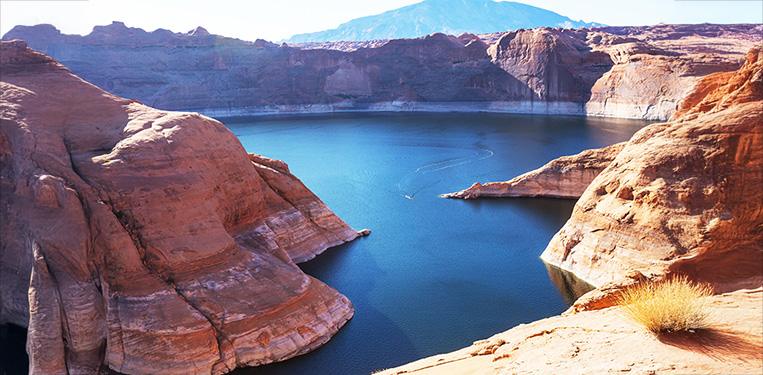
Until the past two decades we gave little consideration to water. We turned on the tap and there it was, gurgling, clear and inviting. We quenched our thirst, took long showers, washed our clothes, and irrigated our beautiful gardens.
But that was then and this is now. Water is a part of our frequent concerns as we face more extreme weather conditions, alternating droughts and deluges, as well as fires and rising temperatures.
It’s an interesting conundrum! The total amount of water on the planet never changes…it’s constant. It’s rain, it’s the oceans, lakes, and rivers. It’s aquifers…it’s even perspiration. The concern is potable water…water we can drink, wash, and cook with, and that’s the water that’s disappearing in much of the world.
Two billion people…1/3rd of the planet gets it water from the snow melt of the Himalayan glaciers. Half comes down on the west side through the Ganges, the other half comes down the east side as the Yangtze and Mekong. In the past 30 years this glacier has retreated 12 miles and now releases only 2/3rds of the potable water it did 100 years ago.
In India farmers had always found water for their crops digging wells less than 200’-400’, now they often have to dig to 1,500’ as their aquifers are drying up.
The Colorado river in the Western United States begins in north central Colorado and moves west to bring life to Arizona, Utah, Nevada, and California.
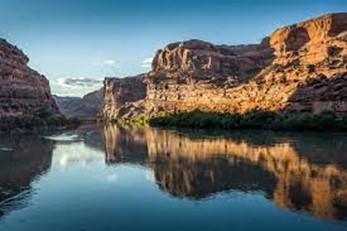
It winds through the Grand Canyon. It feeds the farms of the Central Valley and turns the huge turbines of Glen Canyon, Lake Powell and Hoover dams that light the homes of Las Vegas and Los Angeles…40 million people in all. But that water flow has already dropped by more than 20%. Lake Mead is parched now, revealing secrets from the past in its dry, cracked earth.
The question is whether it will continue to get worse or will man’s ingenuity solve the planet’s issues of more people, higher temperatures, and less arable water.
Efforts to reduce water usage have been going on for some time…drip irrigation, recycled ‘grey’ water, low-flow appliances. They’ve all postponed the problem without solving it. Cloud-seeding research continues, as well, but without any breakthroughs.
Desalination has shown the greatest potential in the past few decades. Just remove the salt and chemicals from ocean water and ‘voila’ fresh water will flow. But it hasn’t been that easy or cost-effective to do on a large scale. It requires significant power, and the disposing of the residue is a significant problem.
Ten miles south of Tel Aviv, pipes deep in the Mediterranean Sea bring in water, pass it through porous membranes, and through reverse osmosis create potable water for more than 1 ½ million Israelis.
Southern California was an arid landscape with less than 100,000 people at the beginning of the 20th century but redirecting water from Owens Lake and the Colorado River changed all that. Today, as those sources have become less reliable and we face annual droughts, something new must be done.
California’s largest desalination plant is in Carlsbad, a suburb of San Diego. Each day 100 million gallons of water are piped into the privately funded plant and create 50 million gallons of fresh water. The cost in energy and capital, however, is twice the cost of available fresh water. Years earlier it was 4x the cost. New technologies have brought costs down and as water from the Feather River and Colorado become scarcer, it’s hoped that converting sea water will be less expensive.
I certainly hope so. Being in a crowd with people who decide to conserve water by not bathing isn’t pleasant.