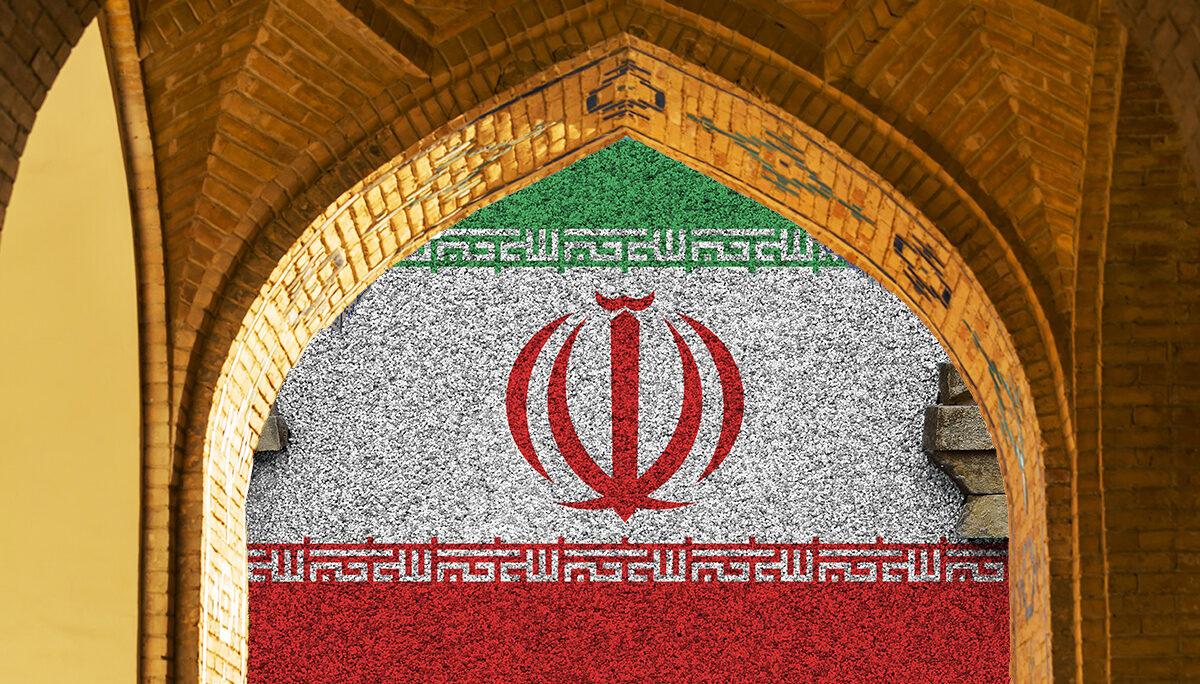
The purpose of the nearly one hundred Snippets I’ve written is to throw a small light on fascinating aspects of history and, perhaps, provide a little context on how we got to where we are today. I’ve tackled Vietnam, Taiwan, and Israel. I’ve tackled our national debt and the future of Social Security. But none, thus far, has been as difficult as trying to shed light on America’s relationship with Iran. I hope you’ll forgive my meager attempt at trying to make sense of it.
In ancient times Persia ranked among the great civilizations along with Greece and Egypt. Countries quaked as the chariots and armies of Cyrus, Xerxes, and Darius attacked. But like most of the middle east, the fervor of a new religion spread like the desert winds and centuries passed, the country convulsed into wars with Russia, the Ottoman Empire and internal struggles.
Modern Iran first began to emerge in the 20th century. In 1906 it became the Qajar Dynasty, an infant monarchy struggling to reestablish its borders and glory of the past. It remained neutral during World War I hoping to build unity in the country, but public support waned and in 1926 a coup d’etat, supported by Great Britain, overthrew the monarchy. Reza Shah, one of the leaders and the first of the Pahlavi family, became King.
The Shah’s attempts to modernize the country using, sometimes, dictatorial methods, remain controversial. Meanwhile, ardent followers of the Shi’ite sect of Islam, led by the Ayatollah Khomeini, objected. Western ways were anathema to them. In 1935 Reza Shah formerly changed the name of the country from Persia to Iran to separate itself from its ugly colonial history. But the confrontation continued…they could never co-exist.
Then came 1941 and the onset of World War II. Iran was invaded from the north by the Soviet Union and from the south by the British, both trying to protect Iran’s oil fields from German forces. Despite Iran’s stated neutrality, it continued to be a battleground for conflicting interests.
In 1963, a younger Shah in power, the White Revolution was launched to redistribute land, develop energy projects, and expand the education system. Capital flowed into the country, and a new wave of prosperity engulfed the more than 20 million Iranians. Khomeini continued to object and was exiled. He continued, however, to write and agitate for a return to a more fundamental Islam.