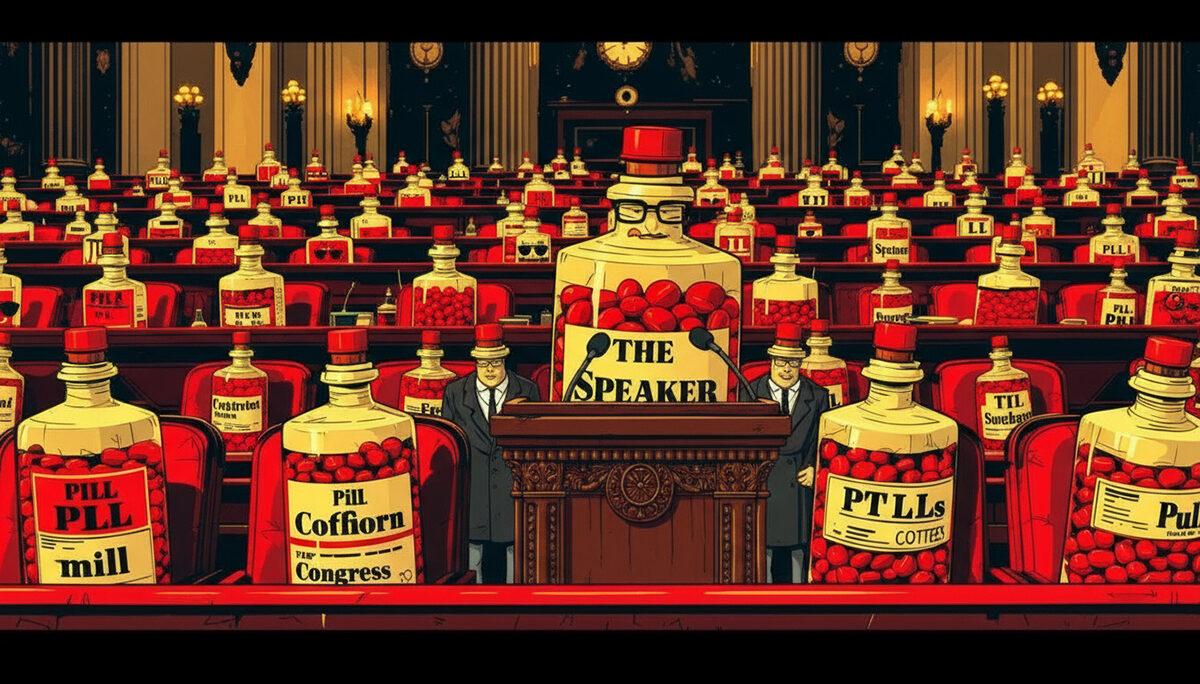
The term “Big Pharma” frequently evokes negative imagery…giant corporations prioritizing profits over patient welfare. While there may be some truth to the criticism, the full picture is far more complex. The pharmaceutical industry is responsible for both some of the greatest public health crises and some of the most extraordinary medical achievements in modern history.
The same industry that unleashed the opioid epidemic through aggressive marketing of highly addictive drugs similar to fentanyl, has also given us medical miracles: treatments that reduce heart failure, medications that control blood pressure, inhalers that help millions breathe easier, and groundbreaking procedures that have cured some forms of cancer and dramatically eased childbirth. Thanks to their skills, the average global lifespan has increased by over 20 years during the past century. Recent innovations like Ozempic, are revolutionizing diabetes treatment and weight management. And, a tip-of-the-hat to Viagra, which brought smiles to millions of middle-age men and women.
The largest drug companies in the world are Johnson & Johnson, Novartis, Roche, Pfizer, Merck, Sanofi, GSK, and AbbVie. Their revenues average $50 billion each, and their products range from over-the-counter medications, such as aspirin,. to drugs that stemmed the COVID pandemic. Merck spends more than $30 Billion on research, the rest $10-$15 billion each annually.
Developing a new drug is a long, high-risk process that includes rigorous blind studies, exhaustive peer reviews, multiple government approvals, and complex patent negotiations. Only about 10–15% of new drugs considered ever make it to market
And, not all pharmaceutical companies are the same. Over the years, many have specialized in treating particular diseases, becoming experts in areas such as oncology, neurology, or rare genetic disorders. Choosing to work on a specific illness involves analyzing the global incidence of that disease, weighing the possibility of success, and evaluating the risk of adverse side effects. These factors will heavily influence both the eventual cost of the drug and its ultimate market viability. More and more pharmaceutical companies are using Artificial Analysis to speed the analytical processes.
Meanwhile, patents, which were meant to grant companies 20 years of exclusive rights, don’t! That clock starts ticking from the moment of invention and since FDA approval often exceeds a decade, companies typically have less than ten years to recoup their multi-billion-dollar investments before they forced to compete with ‘copy-cat’ generic versions.
Then there’s the out-of-date U.S. distribution system where we have middlemen called pharmacy benefit managers (PBMs). They sit between drug manufacturers and pharmacies. Three, CVS’s Caremark Rx, Cigna’s Express Scripts, and UnitedHealth’s Optum Rx, control 80% of the PBM market. In 2023 they collectively added an estimated $7 billion to drug costs. PBMs initially filled an important function when thousands of independent pharmacies needed negotiating power. They continue to exist, needlessly raising the cost of healthcare. One example is the pricing of insulin for the 7 million Americans who require it to treat their diabetes. Lilly earns $25 for each Humalog injection pen they sell, yet in two years, its list price increased from $57 to $106.
Big Pharma is neither a hero nor a villain but rather the engine that drives a profound paradox. It is simultaneously the initiator of miraculous innovation and a contributor to soaring healthcare costs. Recognizing both sides of this reality is essential if we are to craft reforms that preserve the incentives for the steady introduction of lifesaving innovation while making essential medicines more affordable for all.