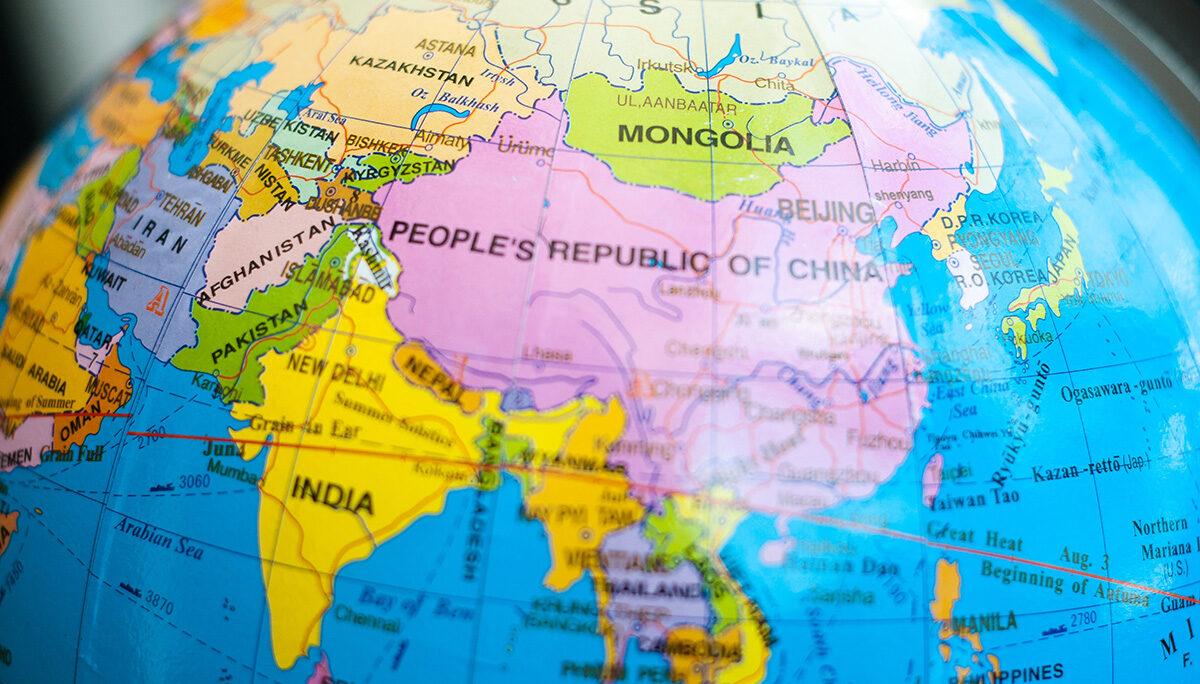
Growing up the only thing we learned about the Far East was that long ago, in a distant mysterious land called Cathay, they’d built a Great Wall that was so big you could see it from outer space. Oh, yes, there was this man named Marco Polo who traveled to Cathay all the way from Italy. We learned about Columbus and Henry VIII and the French revolution but little about Asia. Our collective heads were more akin to Europe. Then on December 7th, 1941, we were forced to recognize our ignorance. Learning about the Far East was important…and long overdue.
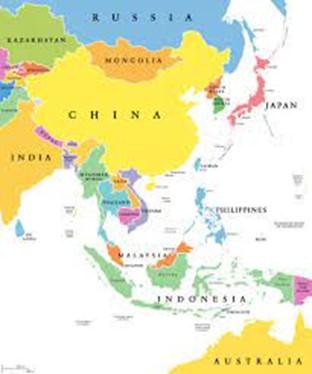
China, the biggest country in Eastern Asia, with more than one billion people, had ruled that part of the world for more than a thousand years but now they were in the midst of a civil war between the established, but corrupt, Nationalist government, led by Chiang Kai-Shek and supported by the United States. On the opposing side were the Communists, led by Mao Tse-Tung, supported initially by the people, mostly farmers, later by the Soviets.
China’s historic foe was Japan, an island nation with few natural resources but with a fierce devotion to their Emperor, who urged them to go out and conquer…and they did. They overran Korea, another large nation, and Okinawa, a nearby island. They conquered Manchuria, in China’s north, and parts of Mongolia. Then, in 1937 the forces of the Imperial Emperor of Japan invaded China. Mao and Chiang agreed to stop their war until their common enemy, the Japanese, was defeated. Meanwhile Japan took over Shanghai, and Chongqing and they massacred more than 250,000 men, women, and children in the infamous ‘Rape of Nanjing.”
When the Second World War ended, China, still weak, returned to its Civil War. In 1949 Mao’s army crossed the Yangtze River and Chiang fled with his army to the island of Formosa and renamed it Taiwan. Mao would have followed except for the interference of the U.S. Navy.
Now in control, Mao began to absorb countries that had been part of the Chinese empire in years past. Inner Mongolia became a Chinese province. Outer Mongolia, now just Mongolia, remained an independent country. Manchuria is now part of China. Tibet is now part of China. The 99-year treaty that allowed Great Britain and Portugal to manage Hong Kong and Macao ended in 1999. Both of those are now part of China. Taiwan remains tenuously independent, protected by America’s military umbrella. Korea was divided north and south and, despite the original agreement to reunify it in five years, remains divided.
In 1972, President Richard Nixon and Secretary of State Henry Kissinger made a historic visit to China, meeting with their leader, Zhou Enlai, in hopes of normalizing relations. China’s request was simple, help them build two Ammonia plants that would produce fertilizer for their farms. Starvation across China was widespread.
That marked the beginning of China’s reemergence on the world stage. In 2001 they became a full member of the World Trade Organization. Under rigid governmental control, they adopted the one-child policy to control population growth, moved millions from the cities to rural areas, and reorganized their society into an industrial powerhouse, producing apparel, steel, and everything else with low-cost labor.
China is now a dominant world power. Their form of government is anathema to us but we share the same planet and it compels both countries to learn how to coexist.