Ever since man walked erect, he’s looked upward to the skies…to the freedom of the birds flying above the earth, framed against the white clouds and blue skies, free to soar, and he envied them.
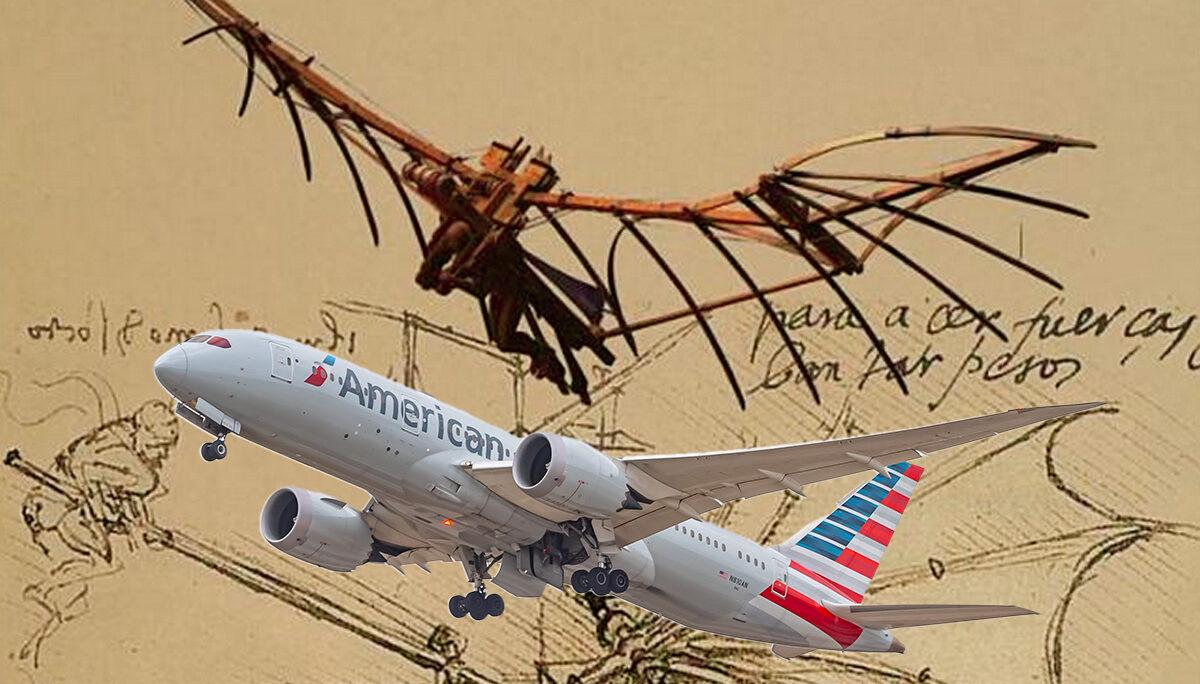
During the Renaissance, Leonardo da Vinci designed flying machines but it would be 1783 before the Montgolfier brothers lifted a balloon above the city of Versailles to defy earthly gravity. More than a century later, 1903, on the sand banks of Kitty Hawk, another pair of brothers would lift off the ground for a distance of 102 feet, in the 1st powered flight. Louis Bleriot would fly across the English Channel six years later. Flight, indeed, was possible
Fast forward to World War I with names like the Red Baron and Eddie Rickenbacker. A decade later we ‘ooh’d’ and ‘aah’d at the heroics of Lindbergh and Amelia Earhart, the Flying Jennies, and air circuses. But it was dangerous. We lost the beloved Will Rogers, adventurer Wiley Post, as well as Earhart and Knute Rockne, famed football coach.
Today there are nearly 200,000 private pilots in the United States, not including commercial or student pilots. These are men and women who are compelled to climb into single engine Cessnas, Pipers, Beechs, and others to break their tether to the ground. They share an exhilaration that can only be felt…it can’t be explained or understood by someone who doesn’t share that passion.
I was married for two decades to a man with such a compulsion. I teased that when we were married I was third behind flying and skiing and in twenty years I moved ahead of skiing.
There are 130,000 single-engine airplanes in this country. There are also about 1,000 crashes each year, not all fatal. Flying single engine airplanes is a culture unto itself.
These planes span a variety of designs and performances. An aircraft with one engine can fly anywhere from 100-200 miles per hour. It can be hi-wing or low-wing, fixed gear or retractable. It can be a small 2-seater or a large 6-seater. It can be outfitted for instrument flying or limited to visual flight only. It can have a range of three hours or six hours. Our airplane had a range of five plus hours. (My husband’s bladder capacity, however, was three hours.)
Flying over the Grand Canyon, or through New York City’s concrete canyons, across the Golden Gate Bridge or across to nearby Catalina Island brings unimaginable thrills. Flying Death Valley when your altimeter shouts that you are below sea level amidst the bloom of spring flowers is breathtaking.
This isn’t a Snippet about my husband’s flying foibles, of which there were many. Rather it is what happens to those individuals, like him, who, once free from the toil and trouble of daily living, achieve a different persona, a nirvana, hearing those magic words: “Cessna 9108 Charlie, you are cleared for take-off”. Up there where troubles cease to exist and all that matters is to keep your nose pointed in the right direction and your wings level.
Pilots are special people. They have found a way to be one with the eagles. They are aware that there can be danger in what they do…loss of their engine, no place in sight to land, but the rewards of breathing free at 10,000 feet make the risks pale by comparison.
Somewhere, up there, he, and pilots like him, are still flying and relishing the freedom.