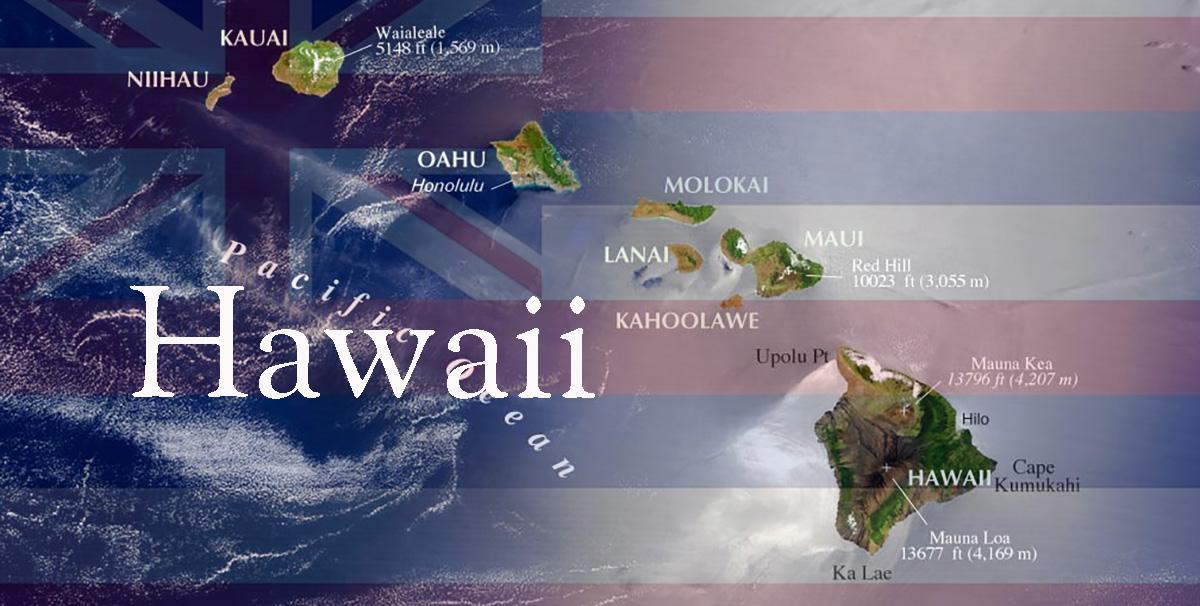
As much of Maui, and most of Lahaina, lie in ruins, it is likely that most of us have no idea how a small chain of islands in the middle of the Pacific Ocean more than 2,000 miles from the Continental United States came to be our 50th state.
It was Captain Cook, sailing around the world who came across the islands in 1778. He’d already visited Australia. A year later, he was killed by angry islanders.
But the good Captain wasn’t the first to land there. The islands had already been populated by Polynesians more than a thousand years earlier. They had evolved peaceful communities on the various islands. Favorable trade winds provided the islands with attractive arable land. Fishing was plentiful and the people thrived.
By the middle of the 19th century the islands were unified into a single country…a monarchy ruled by King Kamehameha, with the island’s capitol at Lahaina.
Whaling and sugar grew the economy, spurred by increasing U.S. demand. Immigrant workers were brought in from Japan, China, and as far away as Europe. Missionaries followed, hoping to convert islanders from peaceful pagan habits to Christianity.
But the United States grew increasingly impatient with having to deal with a Hawaiian monarchy that lacked the greed and ambition to expand more rapidly. In 1893, supported by American Marines, a Committee of Safety was formed. Queen Leilani, now the island’s monarch, was forced to resign. The Hawaiian government floundered, and through bribery and intimidation a request was made to the American President to annex the islands. It was approved.
The following year, a new President, Grover Cleveland, tried to restore the Queen to her throne. Chaos reigned for the next few years. The matter wouldn’t be finally resolved until 1898 when formal annexation was approved by Congress.
Now a U.S. territory, capital flooded in. C & H Sugar and Dole Pineapple plantations spread across the islands. Hawaiian coffee, macadamia nuts, and Hawaiian music all became mainland treats.
Early Sunday morning, December 7, 1941, the Japanese fleet, including multiple aircraft carriers, attacked without warning in an attempt to cripple the American naval fleet. That attack, ‘a day that will live in infamy,’ launched World War II. Nineteen ships were destroyed and more than 2,400 Americans were killed.
Following the war, thanks to air conditioning and commercial air travel, tourism slowly replace agriculture as the island’s #1 revenue producer. In 1959 Hawaii became America’s 50th state.
We have all been horrified by the sight of the vast destruction and loss of life flashing across our screens. We send our love and prayers to all those affected and we wish for a speedy recovery. Aloha!