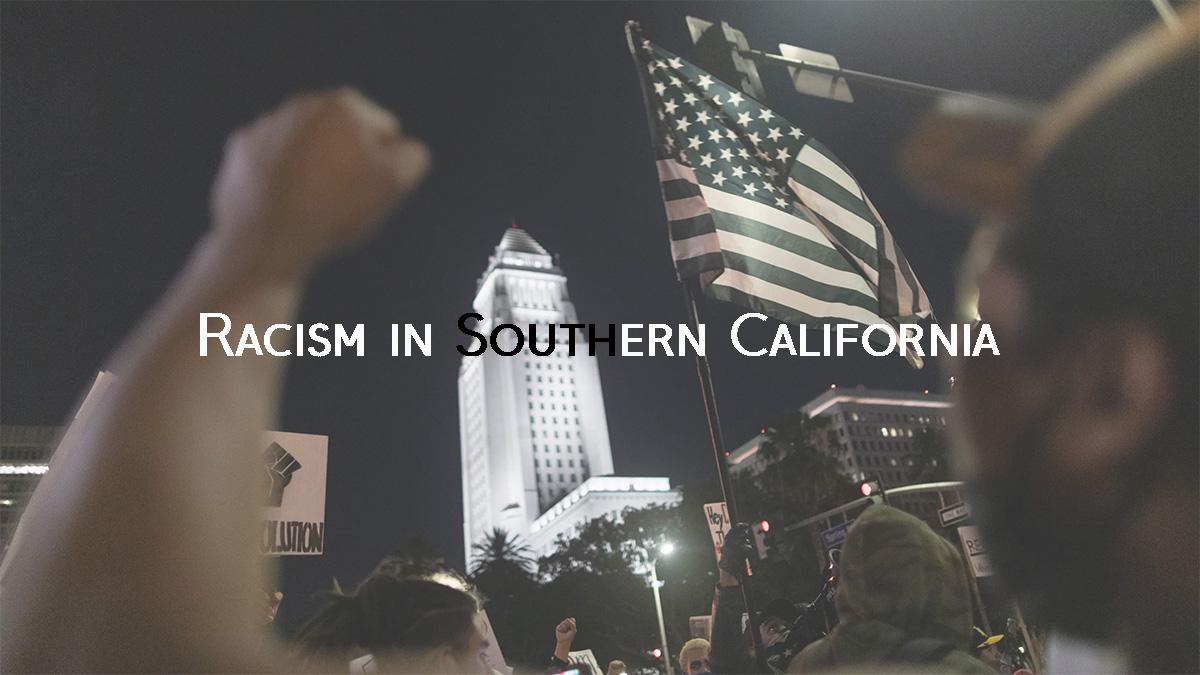
Racism in Los Angeles? No way! We’re in a blue state. We’re liberal Hollywood. We grew up with Jackie Robinson and Roy Campanella. We cheered for Rafer Johnson, Arthur Ashe and Kareem. We elected Tom Bradley mayor. Dr. Ralph Bunche went to school here. Racism in Southern California? Please…say it isn’t so.
It’s primarily the south that’s racist. They killed Emmitt Till and Dr. King. They keep African Americans from voting and moving into white neighborhoods. They’re the bad guys…they’re the red states.
But the truth, unfortunately, is that racism is a national shame, not a local one. Before WW II, there was a separate Black beach where Pico Blvd. met the Pacific in Santa Monica. Only recently was a large parcel of land, originally owned by a Negro family, returned to its rightful descendants. Until the late 1960’s intermarriage was illegal, and Negroes were redlined from new housing developments across the city.
The first African Americans to attend UCLA were in 1937 and by 1960 when Negroes were 10% of California’s population, they were less than 5% at the University. Today that 5% remains at 5%. What? Yes! Despite the University’s image as being ‘inclusive,’ African Americans continue to be under-represented.
But that doesn’t mean Southern California is racist. Maybe not, but it does raise questions.
Remember the Watts riots? In the summer of 1965, a relatively minor traffic encounter between a white Highway Patrol officer and a black driver escalated to six days of violent rioting across African American neighborhoods. Thirty-four people died, and a thousand more were injured. Burned businesses and property damage caused millions in property damage.
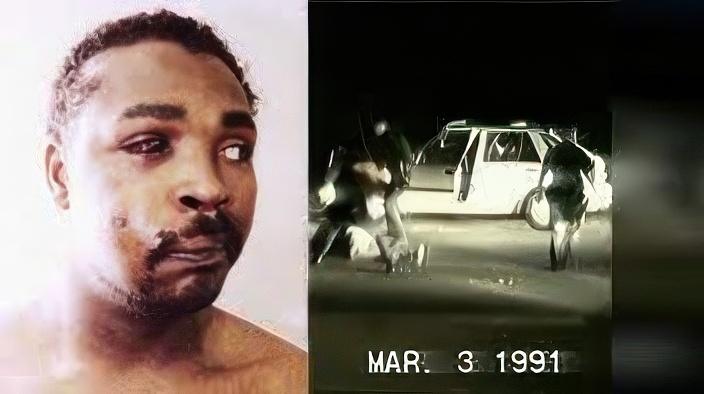
In 1991 four Los Angeles policemen, three of them white, were acquitted by all-white jury of the savage beating of Rodney King, an African American man. Caught on camera by a bystander, graphic video of the attack was broadcast across the nation. Fury over the acquittal spilled onto the streets and across the city, resulting in five days of rioting as black frustrations at a lack of economic opportunity exploded in violence.
Still reeling from racial tensions, the trial of O.J. Simpson in late 1994 divided the city again, blacks believed him innocent, whites believed him guilty. In the past few years, the Black Lives Matter movement gained traction here. The outrageous number of men killed, disproportionately Black, stunned our consciousness.
Racism does exist. Perhaps it is more nuanced here than elsewhere, but its presence is pervasive and undeniable. I love Southern California and I know we’re capable of doing better…we need to do better.