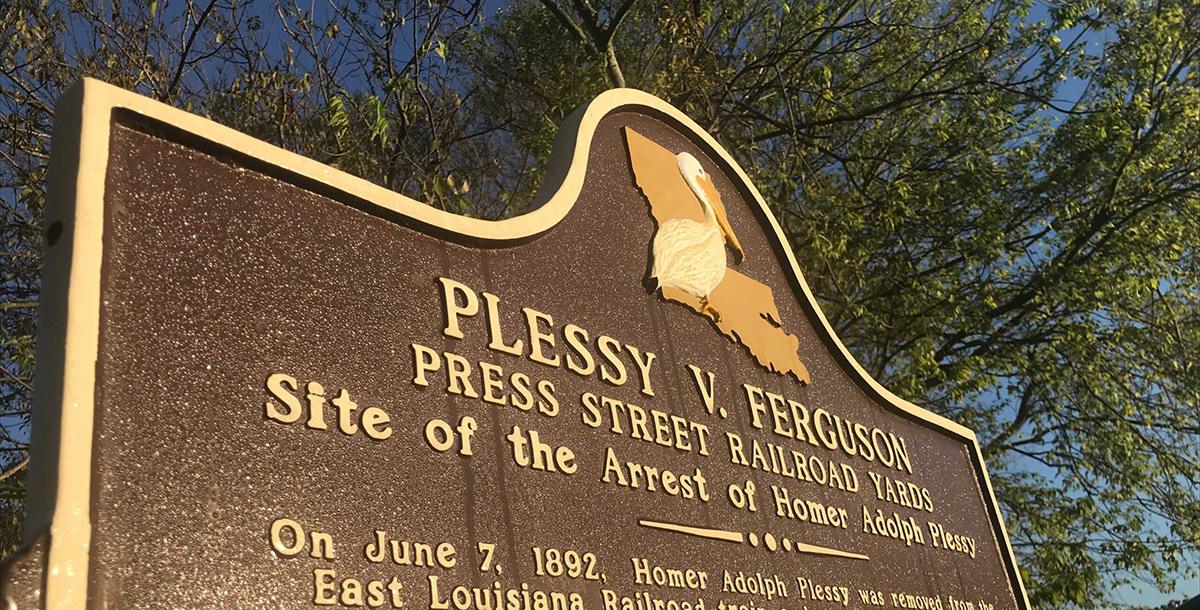
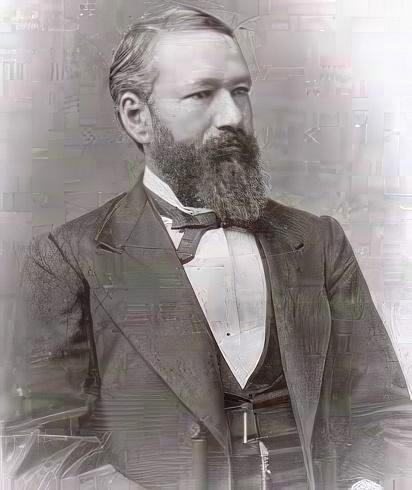
You should have known Homer…he was a special young man, born just as the Civil War was ending. He had never been a slave, never lived on a plantation. No! He was a light-skinned, mixed-race Creole boy growing up in the vibrant, multi-cultural city of New Orleans.
The war was over! It was a time of elation for all coloreds. Young people attended integrated schools and watched as, for the first time, men who weren’t all white got elected to state government. Even interracial marriage was legal. It was America at its best.
But following the disputed presidential election of 1876 everything changed, enlightenment was quashed, as all Union troops stationed across the south were withdrawn. Each state would now control its own future.
Homer was now Mr. Plessy, a tall, handsome, successful cobbler. He became an activist, working to protect the equality promised by Abe Lincoln. But Louisiana was joining other southern states in passing laws to return their white citizens to what “God-intended” …a racially superior status.
The Eastern Louisiana Railroad in Louisiana enacted a ‘Separate Cars’ rule requiring separate rail cars for all people of color. Homer joined a Citizen’s Committee of eighteen local Creole men to fight the rule. In June 1892, Homer and the Committee decided to test it. Homer purchased a white-only First-Class train ticket and boarded in New Orleans. As the train was leaving the station, Homer stood and announced he wasn’t white. The train was stopped, and Homer was ejected.
He filed a lawsuit against the owner of the railroad, Mr. Ferguson. Homer lost in the lower courts. The court said this was a Louisiana issue and Federal law didn’t apply. In 1896 Plessy vs. Ferguson reached the Supreme Court.
The Court decided by a 7-1 vote that the 13th and 14th Amendments did not apply to matters wholly within a state. Integration wasn’t necessary. “Separate but Equal” was all that was required.
Following that onerous decision, the South returned to its policies of racial subjugation…everything was separate, rarely equal. Homer paid a $25 fine for breaking the law and with his wife, retired to a quiet life.
It would be the 1950s, before an ‘activist’ Supreme Court, led by former California Governor, Earl Warren, would decide in Brown vs. The Topeka, Kansas Board of Education that state laws relating to racial separation were illegal.
This landmark decision launched a plethora of actions to achieve racial equality in our country. It is tragic that it remains a goal we have not yet achieved.