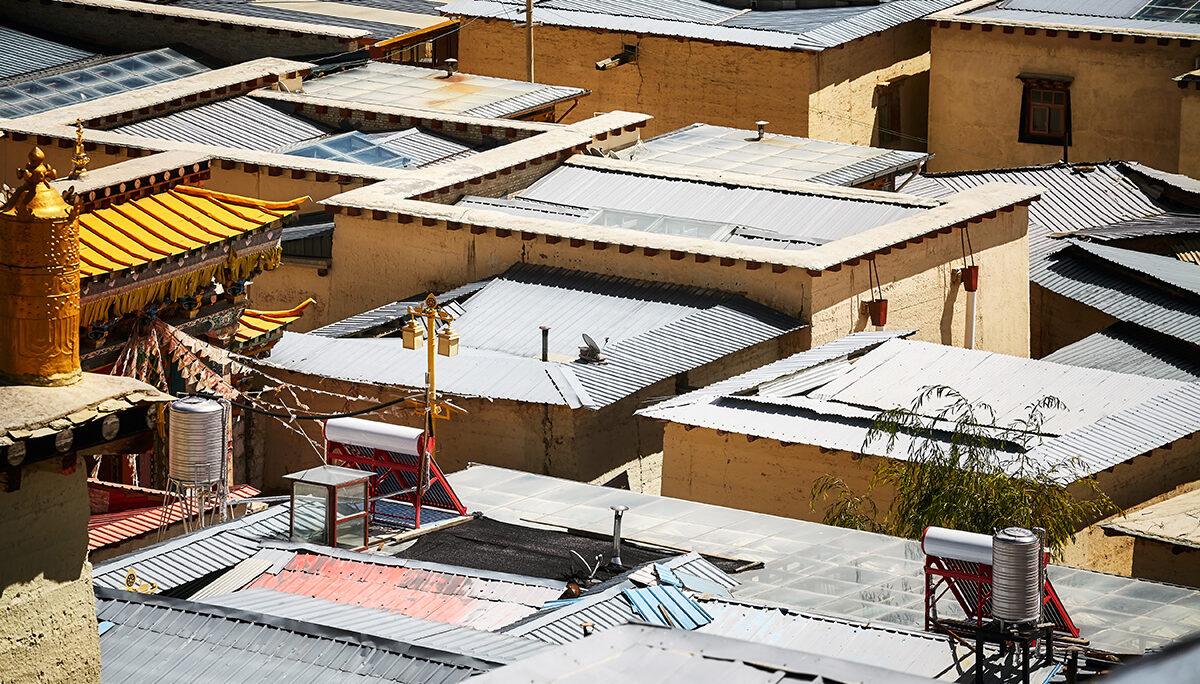
Slums are a serious matter throughout the world. They are the birthplace of disease and crime. Slums aren’t the same as poor neighborhoods or ghettos. In America we have low-income neighborhoods, and we have ghettos…racially segregated areas. We have homeless, their shopping carts filled with the detritus of their lives on streets, sidewalks, and parks…scattered around major cities. Tents, makeshift dwellings, unsanitary conditions. Occupants at the bottom of society’s ladder, some drug addicted, some with mental health problems, some with problems for which society doesn’t have a solution. But our cities and counties try. Charities try. Churches try.
Slums are different. Slums are areas of intense overcrowding where crime and poverty prevail, government services are limited, and no one cares.
Not far from Rio de Janeiro’s sparkling Copacabana’s beaches are favellas, impossibly dense housing built into the hillsides. 11 million people! Nearly 6% of Brazil’s entire population live in such communities. Most favellas are lawless, controlled by bandidos or drug lords.
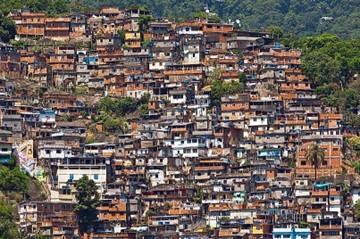
A Rio de Janeiro favella
Varanasi, a city in India of three million inhabitants living along the Ganges, is another such slum. Entire families live in alleys scattered with their few possessions of life and shared with feral cats, dogs, and the occasional Brahma bull. Meals are cooked on a small stoop in the alley. Daily they go to the river to bathe, or wash their clothes, while on the banks above, members of the Untouchable caste burn bodies in religious ceremonies before throwing the ashes into the river. Occasionally a dead cow or the body of a pregnant, unmarried woman floats past them. They are Hindu, accepting their lives, in the conviction they will be reincarnated in a higher state.
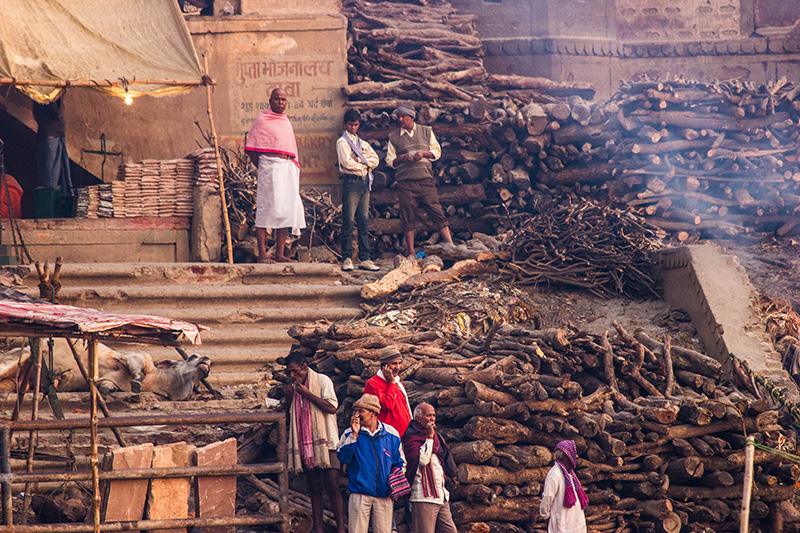
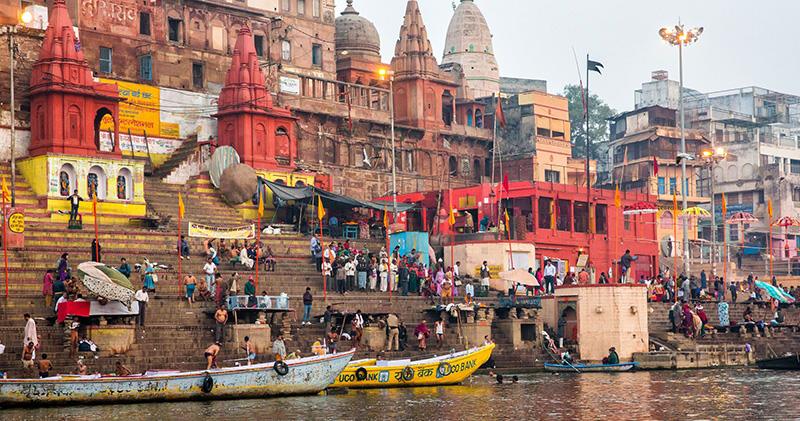
Varanasi along the Ganges
The townships of South Africa evolved from the adoption of apartheid policies from 1947-1990. Initially they were without fresh water, sanitation, paved streets or schools. 15 million blacks were pushed out of the cities and segregated. Since Nelson Mandela became President in 1994 the government has worked to improve conditions but the influx of another 10 million blacks from nearby impoverished countries has made it difficult and for every new home the government builds another five families arrive without money or skills.
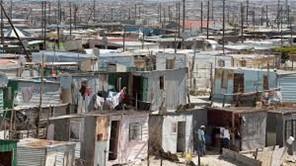
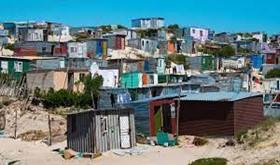
Cape Town Black Townships
These slums are not unique. These are just three examples in three different parts of the world. The only thing they have in common is the human misery they share while situated in countries of considerable wealth that tolerate a terrible distribution of income that perpetuates their misery.
Brazil, South Africa, and the United States share the dubious distinction of having the worst distribution of income in the entire world. We should be able to do better.