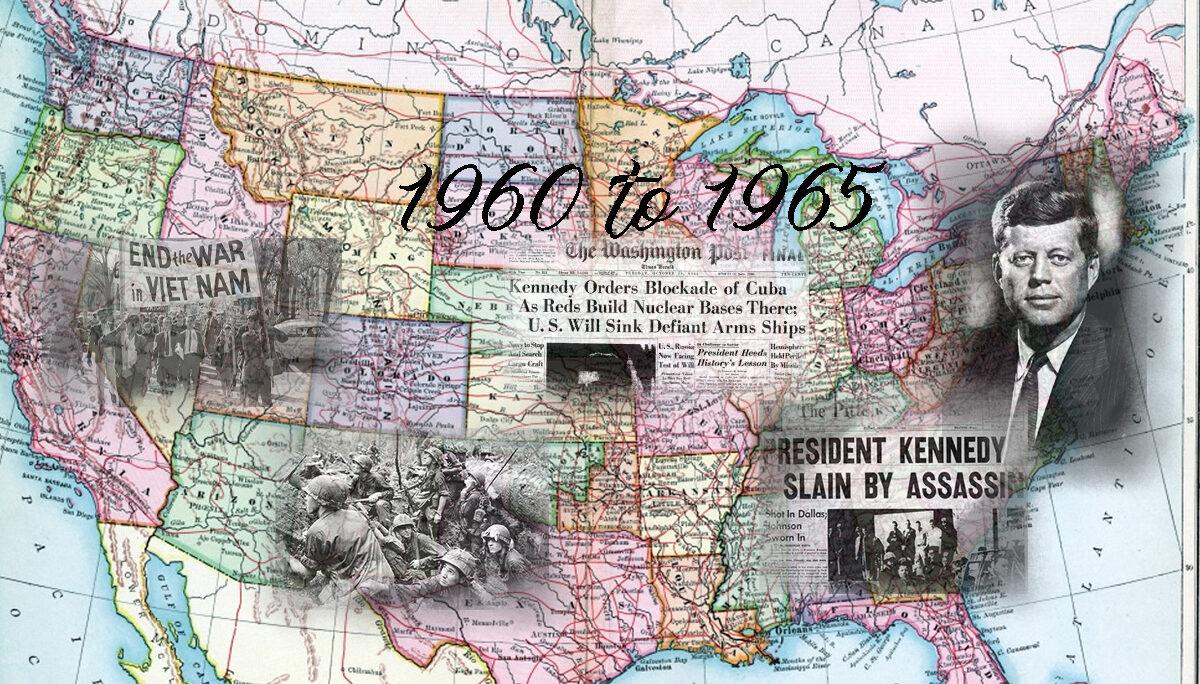
The 20th century was a cyclone, whirling in turmoil. It began with a plethora of new inventions…the automobile, the telephone, electric lights, the airplane. It segued into a world war, followed by a decade of excess, a decade of economic blight, and then another world war. In the ‘50s, exhausting, it took a respite. But nothing prepared us for the 1960s. The optimism with which it began soon morphed into racial strife, assassinations, and a distant war whose final clarion call would be a distrust of government.
Dwight David Eisenhower had served two terms and could not run again. He had ended the war in Korea, but he had continued to support a discredited regime in South Vietnam, sending more advisors to fend off the Viet Cong rebels seeking to reunify their country.
Now, his Vice-President, Richard Nixon, a Californian who had made his ‘bones’ accusing those who disagreed with him of ‘Communist-leanings,’ would face off in the 1960 election against a handsome, wealthy, New Englander, John F. Kennedy.
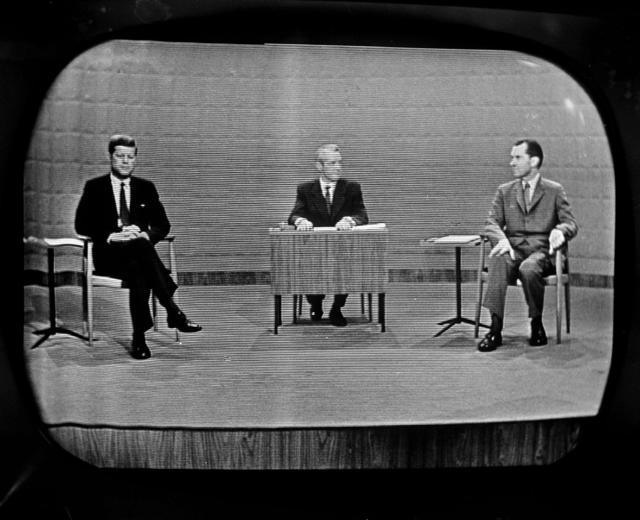
John F Kennedy and Richard Nixon debate
It shouldn’t have been close. Nixon, experienced and moderate, was supported by a unified Republican party. On the other side, an unknown emerged from a Democratic party heavily splintered by issues of racism, the economy, and the expanding role of women in America.
But there was a new factor…a new influence…television, and with television came Hollywood. ‘Jack and Jackie’ were rock stars, and the entertainment glitterati sang their praises and raised millions on their behalf. They were a new generation, fueled with the promise of what might be. And yet, when the votes were counted, Kennedy’s narrow victory was a mere hundred thousand votes out of 70 million cast. His election was complicated where race was concerned. The first civil rights act since reconstruction had been passed in 1957 to protect voting rights…hackles and lawsuits across the south followed. Lyndon Johnson, a Texas Senator, and Kennedy’s VP choice, had held the southern vote while 70% of all Negroes voted for JFK. But change was in the air.
We were hopeful as JFK spoke: “Ask not what your country can do for you but what you can do for your country,” and thousands flocked to join something new called the Peace Corps.
Meanwhile, freedom riders spread across the south, defying segregation in buses, restaurants, and hotels. Three young men were killed in Mississippi, their bodies burned. Other riders were beaten. An attempted invasion of Cuba by emigres turned into a trainwreck.
In Birmingham. Alabama, the Sheriff, “Bull” Conner, met protestors with high-pressure hoses and police dogs. More than a thousand people were arrested.
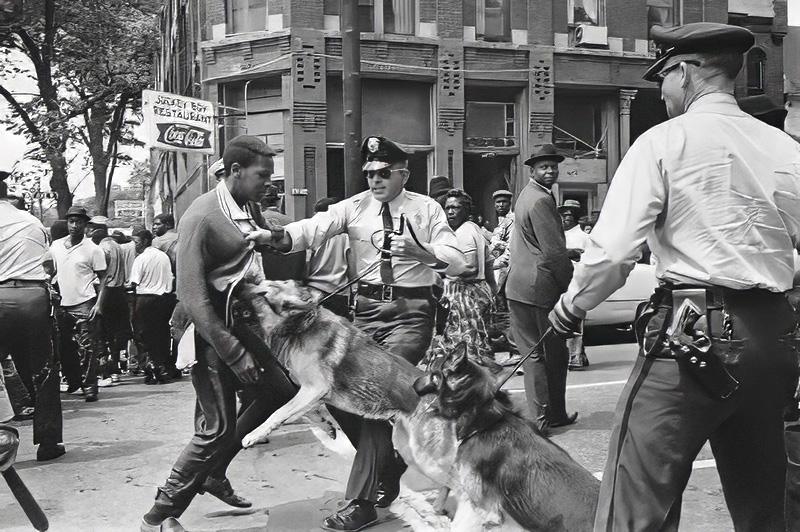
Medgar Evers, a Black Civil Rights leader, was murdered at his home in Jackson, Mississippi. Governor George Wallace, stood at the entrance of the University of Alabama, proudly declaring: “Segregation now, segregation tomorrow and segregation forever.” The south insisted on maintaining the status quo, while minorities demanded change and mainstream Americans stayed in their homes watching television and bemoaning their increasingly unfamiliar nation.
But then 250,000 activists descended on Washington to demand further Civil Rights and listen to Reverend King declared “I have a Dream. A few months later, on a sunny day in Dallas, Texas, a single shot killed the new, vibrant, young President, and the world shook.
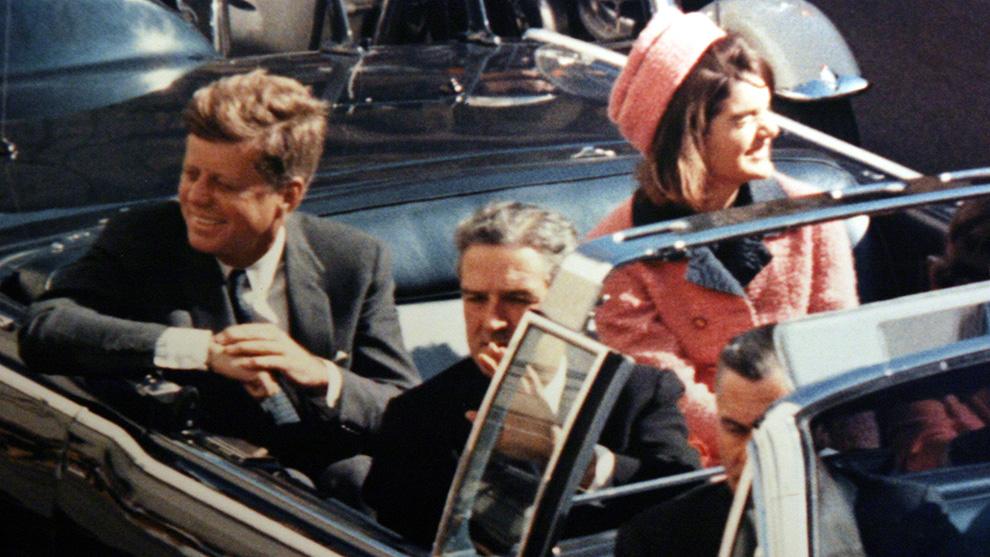
It would be the new President, Lyndon Johnson, who would sign the broad Civil Rights Act and use the force of the Federal Government to enforce it. In anger, the southern states abandoned the Democratic party en masse.
As the 1964 election neared, protests against the Vietnam war, racial unrest, and the Women’s movement were all being heard in the music of the day by Bob Dylan, Joan Baez, Pete Seeger, Joni Mitchell and a hundred others.
Lyndon Johnson would rout his opponent, Barry Goldwater, but the voices of dissent were growing steadily louder and would not be silenced.