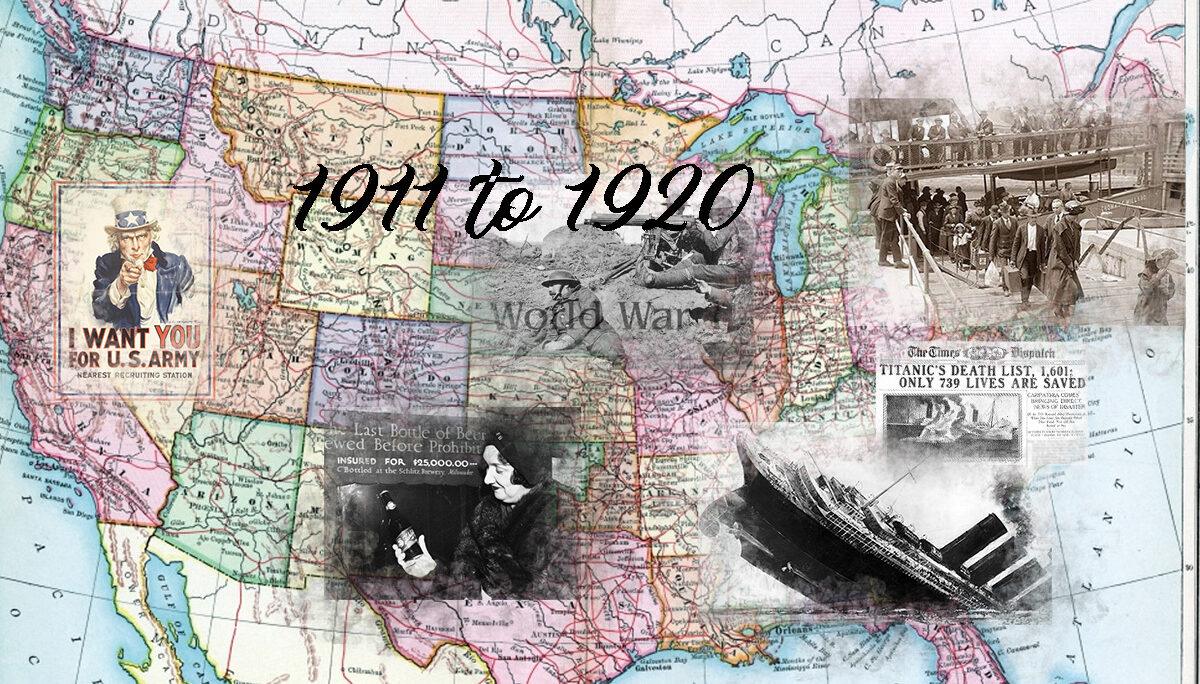
Immigrants from around the world had swarmed through the gates of Ellis Island and spread across the country to Baltimore, Chicago, and St. Louis. New York’s lower east side was a crowded warren of people hawking pots, pans, clothing and the detritus from the brownstones of the city’s wealthy enclaves uptown.
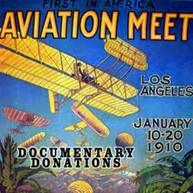
The first Air meet in the country was held at Rancho Dominguez near Los Angeles. People came from all over, many driving their new Ford Model-T ‘Lizzies.’ Visitors saw monoplanes, biplanes, and even a plane with 5 wings layered atop one another.
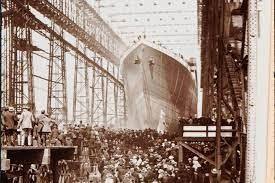
Two years later the largest, and most luxurious, passenger ship ever built departed from Southampton for its inaugural ocean crossing with more than 2,000 passengers and crew.
Four days later the Titanic hit an iceberg. More than 1,500 people died.
In June 1914, Prince Franz Ferdinand, heir to the Austro-Hungary throne, was assassinated by a Bosnian Serb student. The incident ignited World War I. Germany joined Austro-Hungry. France joined England and countries throughout Europe and North Africa aligned with one side or the other.
Across France the two sides faced off, slaughtering one another with old battle plans and new weapons…armored vehicles, tanks and, for the first time, airplanes. Trenches crisscrossed the landscape. More than twenty million soldiers and civilians would die or be maimed.
The United States remained at peace. President Woodrow Wilson vowed to stay out of Europe’s wars. But a year later German U-boats sank an American merchant ship, the Lusitania.
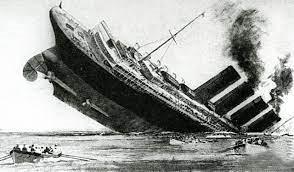
More sinkings followed. More Americans died. Substantial loans by American banks to England and France further pressured public opinion. When Germany solicited a treaty with Mexico, suggesting it attack across the American west, the die was cast.
In spring 1917 when the United States declared war, it had a standing army of 100,000. It mobilized quickly and nearly five million men would join the fight to win ‘the war to end all wars.’ Seventeen months and nearly a half-million American lives later, the war was over.
The Treaty of Versailles redrew the map of Europe. The Austro-Hungarian Empire ceased to exist. The Baltic countries, Poland, Czechoslovakia, and a dozen others gained their independence at the same time to the east, Russians overthrew the Czar. Great Britain was given a mandate to oversee much of the middle east including the contentious land called Palestine.
Meanwhile France demanded huge financial reparations from Germany, planting the seeds that would eventually grow into another World War two decades later.
World peace through world cooperation was President Woodrow Wilson’s hope. Most countries supported the idea of a League of Nations, but he couldn’t convince Americans, where the long-held belief in isolationism prevailed. America didn’t want European entanglements…it wanted to party. Alcohol flowed, women began to feel liberated, movies provided a new form of entertainment, and automobiles could take you places you’d never been. More cities had electric lights and streetcars. More homes had telephones. Young people left the farms where they’d been born and moved to the cities.
In 1919 the Volstead Act was passed by making alcohol illegal. It didn’t stop drinking. Instead, it launched an era of speakeasies and bootlegging.
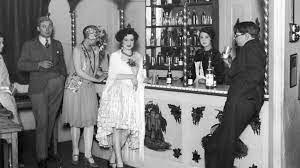
You could drink, gamble, and listen to jazz…a new exciting music genre. Life was good if you were white, Christian, and male.