When World War II ended in 1945, the centuries of colonialism were over and subjugated populations around the world sought independence and a voice in their future. It continues today. East Timor in the Pacific and South Sudan in Africa have recently been established. Chechnya, in Russia, continues its struggle.
When Hitler was defeated, one of the few countries left standing was Yugoslavia, a 250,000 sq. mile area in Southern Europe, about the size of Texas. Despite considerable ethnic diversity, one man had ruled with an iron fist, Josip Broz Tito. He kept his own counsel, neither joining NATO nor the Soviet Union. In 1980 he died and within years Yugoslavia was gone from the map amidst the flames of war.
Today what was one country is now seven countries: Bosnia and Herzegovina, Croatia, Kosovo, Montenegro, North Macedonia, Serbia, and Slovenia
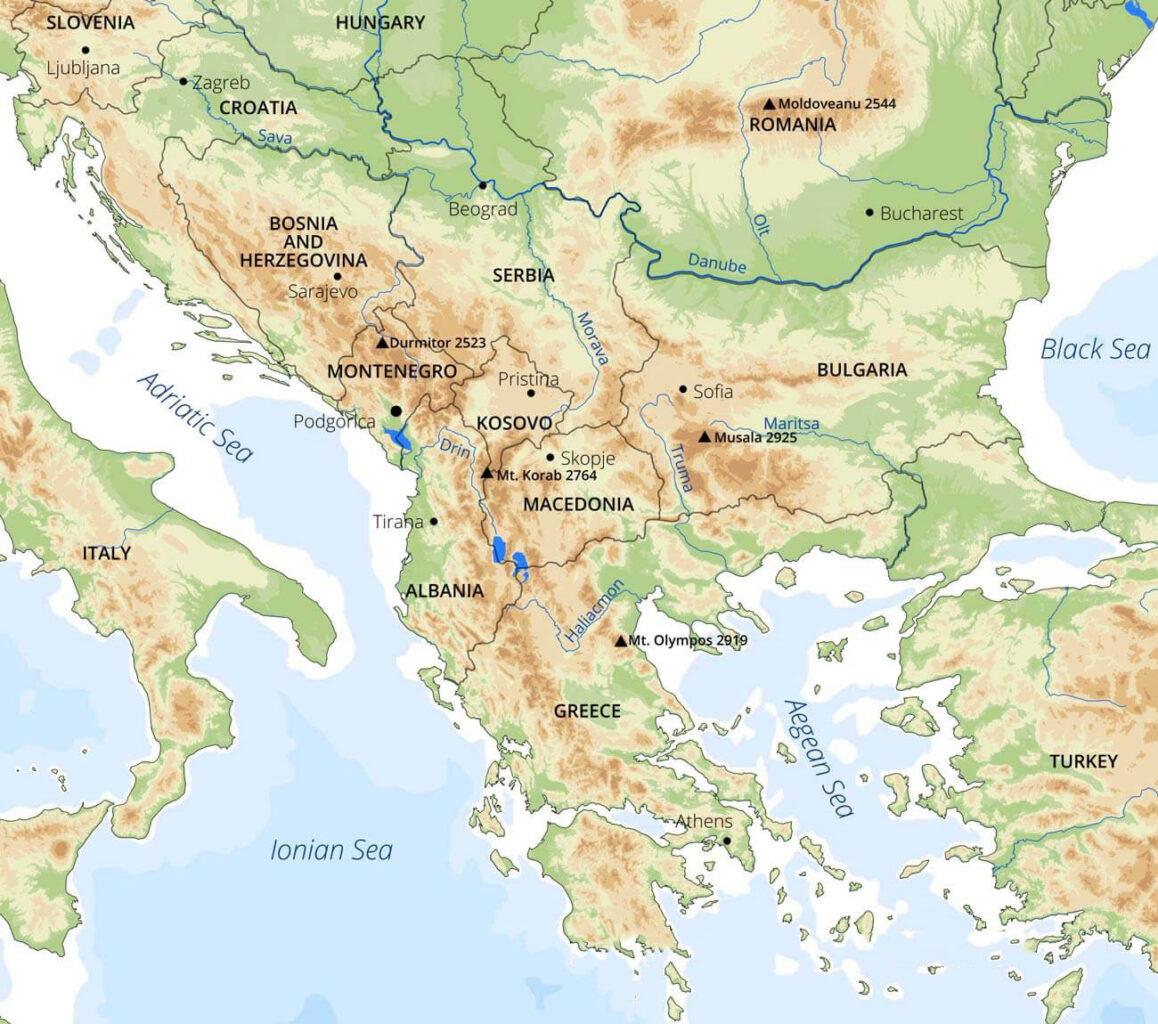
Slovenia, a predominantly Catholic country of two million sits at the crossroads of Europe and until 1991 had been conquered by whoever dominated that part of the world from the Romans to Napoleon and Hitler.
Croatia with its long Adriatic coastline is the jewel of the neighborhood, four million strong, also became independent in 1991.
Bosnia & Herzegovina, with its capital, Sarajevo, is divided, almost equally between Muslim and Christians.
Serbia, with its more than six million population is predominantly Christian. Its largest city, Belgrade, is the former capital of Yugoslavia. The city has been razed 44 times and fought over in more than 100 wars. It is land-locked, entirely surrounded by other Balkan countries.
The remaining countries are small and played only incidental roles in the war that exploded in 1991.
Slovenia and Croatia declared their independence as Yugoslavia disintegrated following the death of Tito. Bosnia & Herzegovina and Serbia said, ‘no way’ and the war began.
The war that followed was horrific as the Serb forces began their campaign of ethnic cleansing. An estimated 20,000 women, mostly Muslims, were raped. In July 1995 Bosnian Serb forces took over the UN-protected “safe area” of Srebrenica in eastern Bosnia and massacred up to 8,000 Muslim men and boys.
In August, after the fall of Srebrenica, NATO unleashed airstrikes on Bosnian Serb positions. By November, following three weeks of talks, the leaders of Bosnia, Croatia and Serbia agreed to a peace deal. A NATO peacekeeping force was deployed.
Two years later war broke out in Kosovo, Serbia’s southern province, between ethnic Albanian rebels seeking independence and Serbia’s armed forces. The fighting ended after an 11-week bombing campaign by NATO, by which time about 13,000 people had been killed and hundreds of thousands had fled their homes.
The International Criminal Court for the Former Yugoslavia, established in 1993, has continued prosecuting those responsible for war crimes since the end of the conflicts. It has indicted 161 people, convicted 83 and acquitted 19. Among those sentenced is Bosnian Serb wartime leader Karadzic, while Milosevic died in prison before being judged.