Oceans cover more than 70% of our planet! It’s waters crash against the canals of Venice and kiss the sands of Santa Monica. At its deepest, the Mariana Trench in the mid-Pacific, it drops to nearly 40,000 feet where the pressure is 8 tons/square inch.
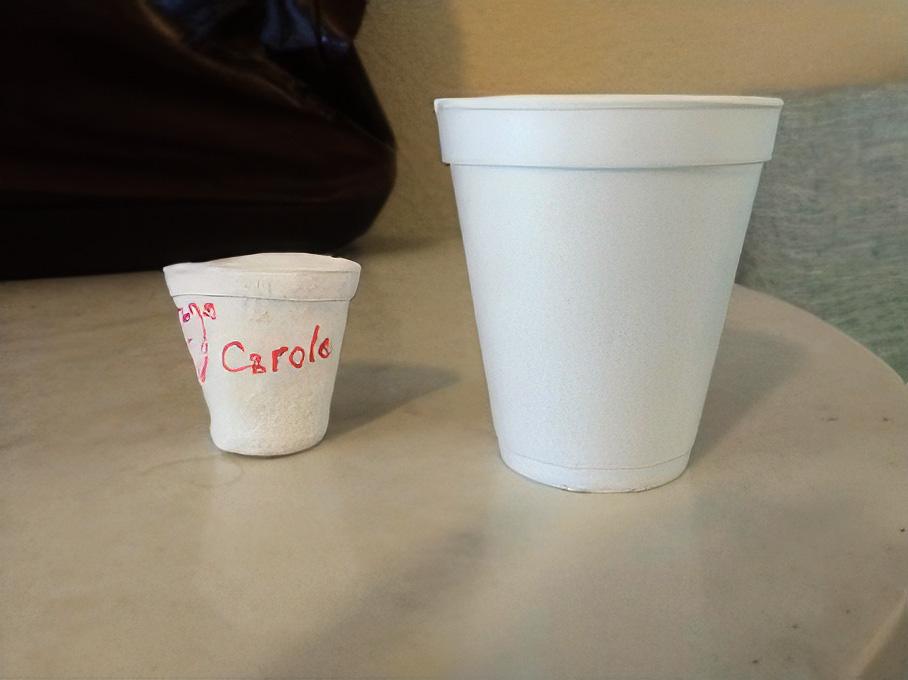
At 1,000’ a body would be crushed in seconds like the cup
Jules Verne published 20,000 Leagues Under the Sea in 1870 and thrilled the world. But it would be a naturalist, William Beebe, and an engineer, Otis Barton, who would first see what Verne had imagined. In the 1930’s their submersible, the Bathysphere, descended to 3,000 feet off the coast of Bermuda.
Between Verne and Beebe the British experimented with dredges to understand whether life could exist in depths beyond sunlight. Sea-going vessels, submarines, that could travel below the ocean’s surface, were developed as a means of scuttling enemy ships during wartime, but it would be well into the 20th century before they would have progressed to being effective weapons.
In the 1950’s a French oceanographer, Jacques Cousteau, co-invented a method of being able to stay underwater. It was called SCUBA, self-contained underwater breathing apparatus, and our curiosity and knowledge of what existed in the ocean depths soon began to multiply. We began to understand coral reefs, the movement of sharks and whales, the value of kelp and plankton, and the intelligence of dolphins. We would also become aware of the damage man was doing by excessive and careless oil exploration, overfishing, and development.
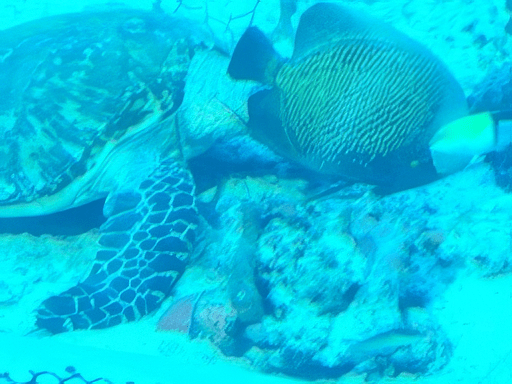
A sea turtle and fish sharing a meal at 700’
That knowledge would reach an even wider audience in 1962 when the New Yorker magazine published The Silent Spring by Rachel Carson. Her article would awaken the world to the threat of a pending world environmental disaster.
In 1960 man first descended to the Mariana Trench. From 1966 – 1976 The Undersea World of Jacques Cousteau thrilled television audiences around the world. As we began to explore life beyond our planet we realized how little we knew of the oceans on which our lives depended.
A sunken ship at 300’
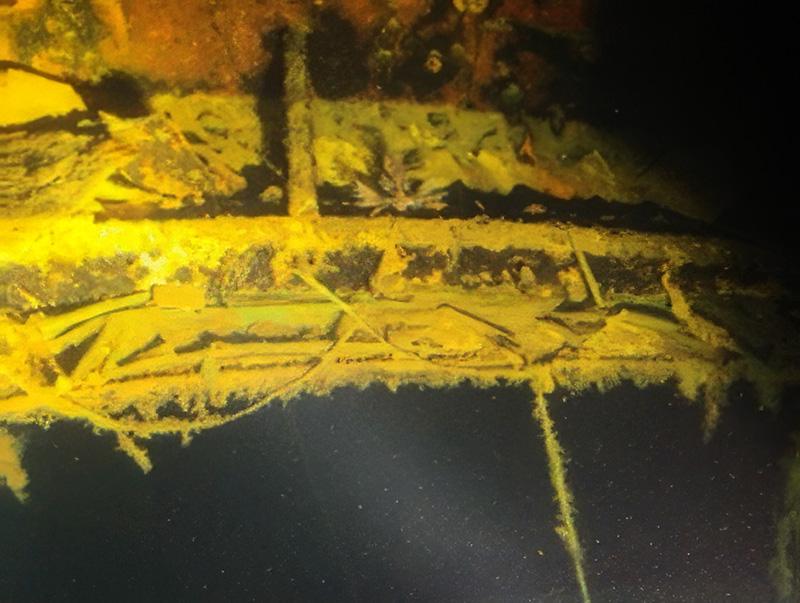
Today we have more knowledge but not the tools that are needed if we are to reverse the trend of using the ocean to hold our earthly detritus.
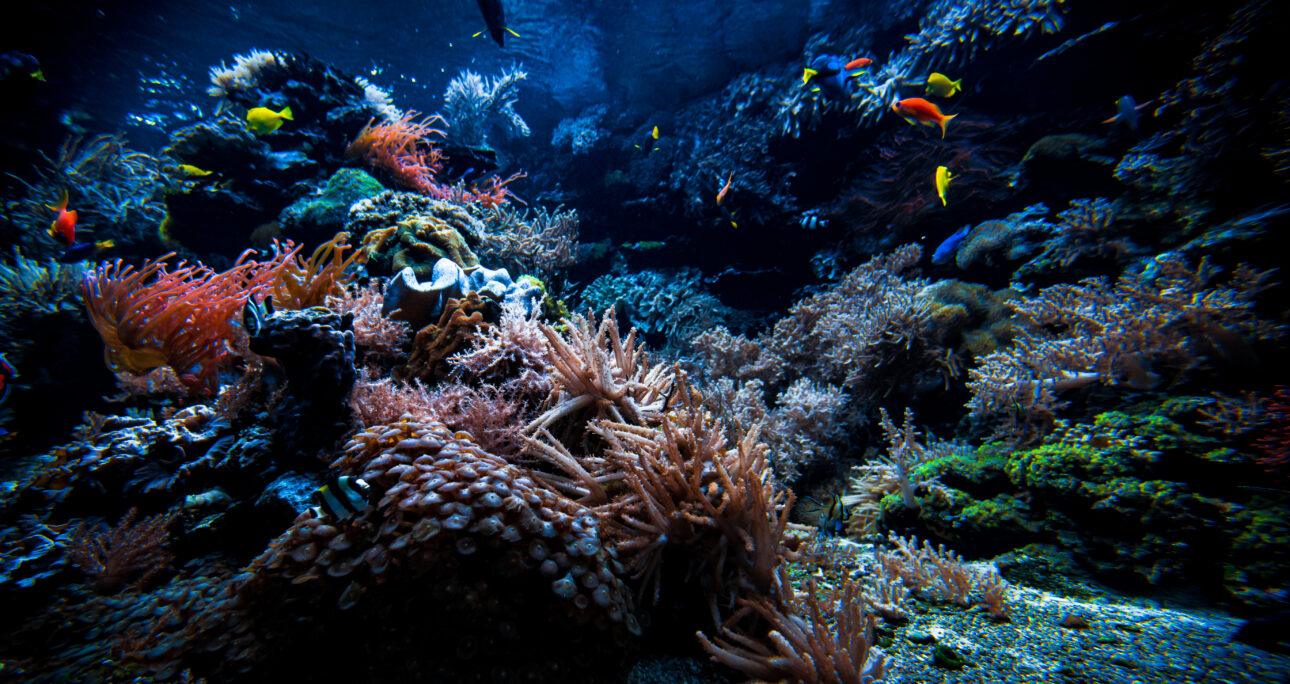
The Great Barrier reefs off the coast of Australia have lost half their coral. The colorful reefs of the Caribbean that are home to abundant sea life have been similarly depleted. Feeding grounds that fish have always depended on are disappearing. The ocean is warming…glaciers are melting.
Funnel coral
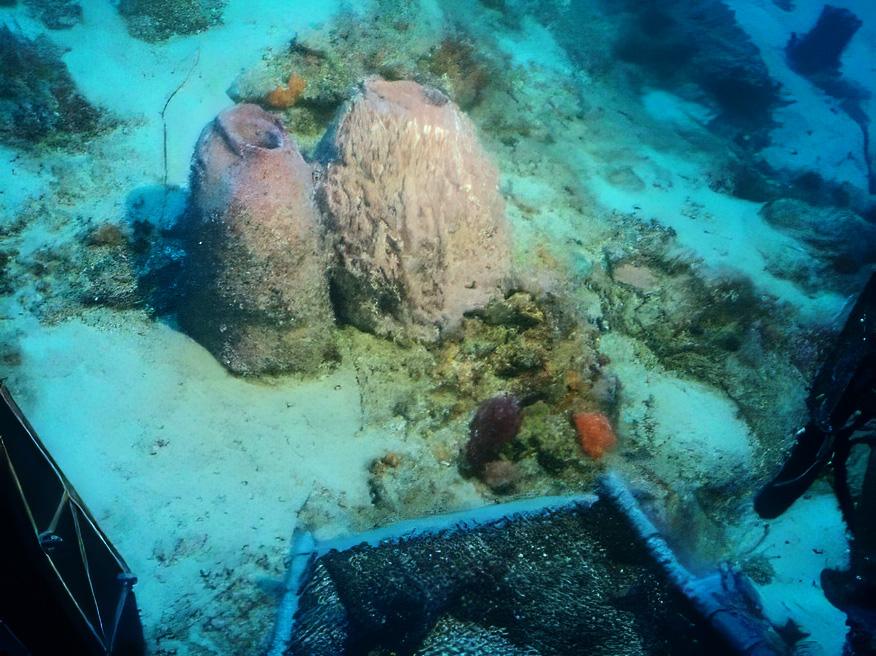
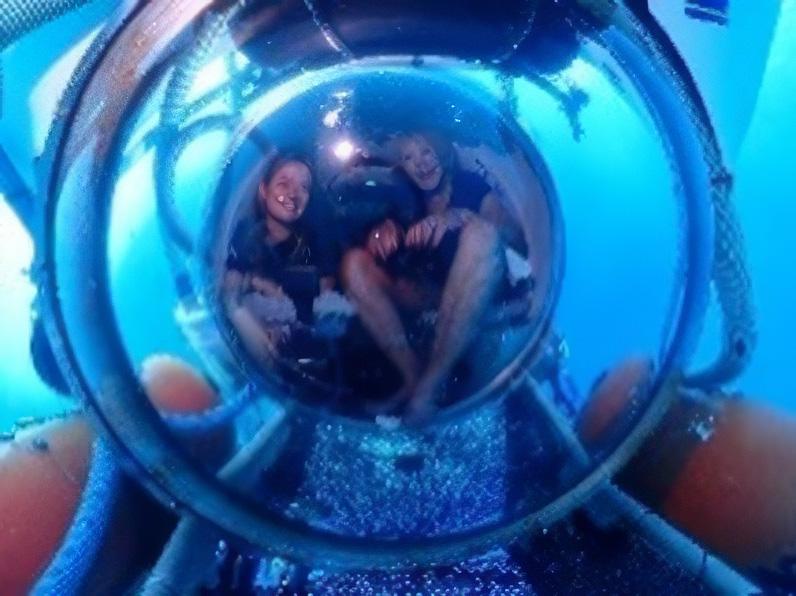
I have just returned from two submersible dives, 1,000 feet and 700 feet, in Curacao, off the coast of Venezuela. The destruction of the ocean’s flora and fauna I’d enjoyed in previous Caribbean SCUBA dives was evident and terribly sad.