And Why Do We Care?
It was early 1972! President Richard Nixon and his team were feeling confident about the upcoming election. They were convinced that winning a 2nd term was a no-brainer. After all, the President had demonstrated great statesmanship by opening relationships with China. He had reduced the number of American troops in Southeast Asia. Fatalities were down. But…he’d been unable to end the war. Still, his ‘Silent Majority’ outnumbered the antiwar liberals…it all felt good!
The nation’s first primary was just around the corner…New Hampshire. The Democrat’s leading candidate was Edwin Muskie, former Governor of Maine, a likeable man with little national exposure. He cried at an early campaign event when someone insulted his wife. Weaknesses! His campaign imploded and the eventual nominee was George McGovern, former Governor of South Dakota. McGovern, a liberal, antiwar advocate, watched his campaign implode when it was revealed that his running mate, Thomas Eagleton, had undergone electrotherapy for depression. All this should have brought elation and confidence to the President. But then something happened that would unleash a torrent of weird events. It was the Law of Unintentional Consequences!
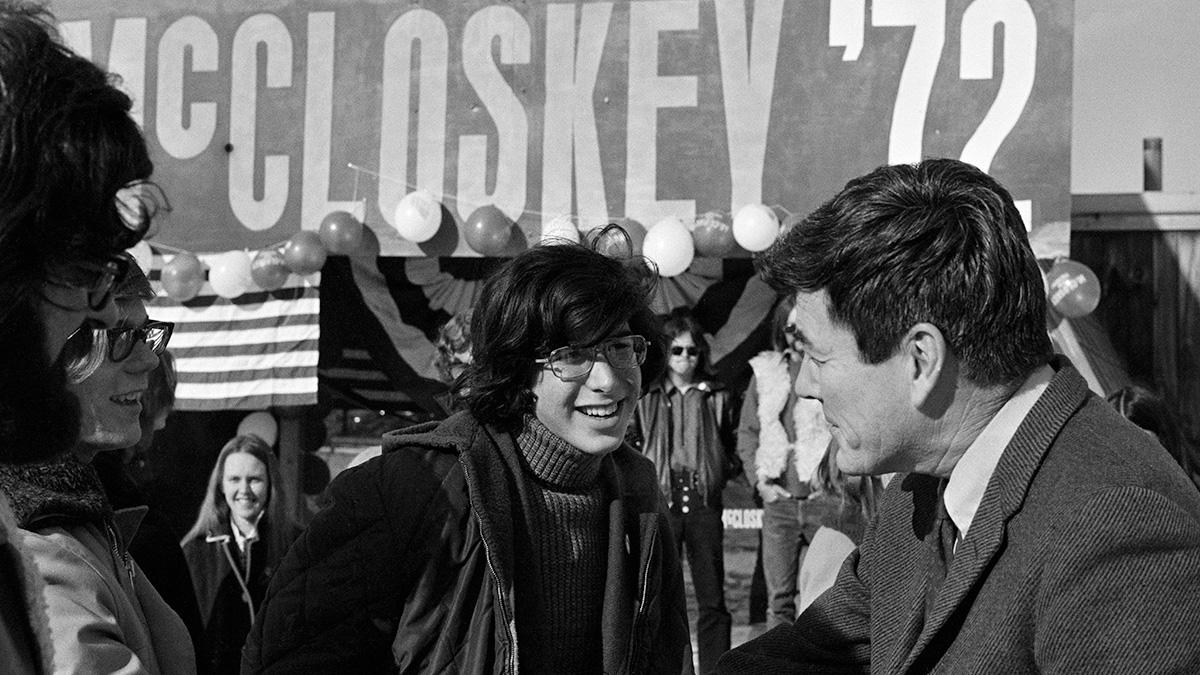
A young Republican Congressman from California’s San Mateo County, Pete McCloskey, decided to enter the Presidential race as an antiwar candidate. He was popular. He’d defeated Shirley Temple…child icon of earlier movie days. But no one runs against an incumbent President from his own party.
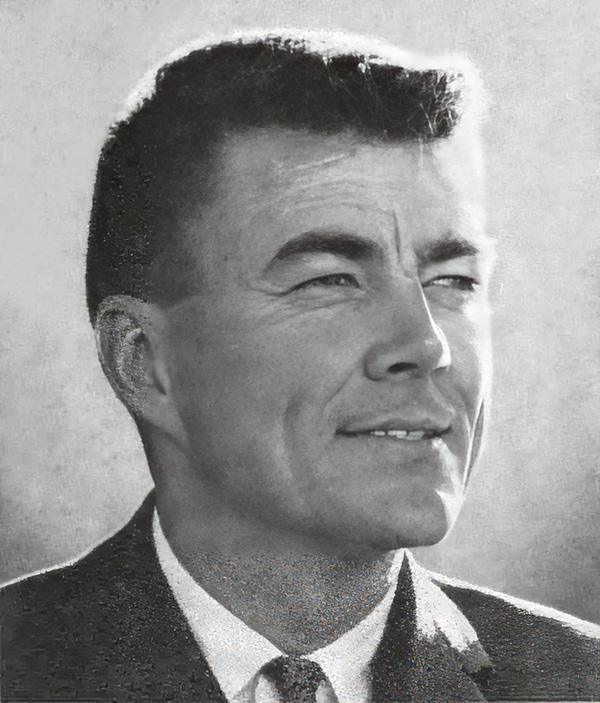
McCloskey obviously never got that message. He entered the New Hampshire primary, and the results shocked the Republican establishment. He won 20% of the vote. Was the country’s antiwar sentiment widespread enough to deny Nixon a 2nd term?
The campaign that followed was a mandate on the ongoing war. Those in the President’s inner circle were taking no chances. The results in New Hampshire worried them. They were determined to learn the Democrats campaign plans. They ‘bugged’ Democratic offices. And then, in mid-June, a few Mexican nationals, led by ex-CIA operatives, snuck into the offices of the Democratic party’s Washington headquarters at the Watergate building complex.
The fallout began as a slow trickle…Who? Why? The Washington Post! Deep throat! Follow the money! It wouldn’t go away as revelation after revelation kept the story alive. Howard Hunt! Slush fund! Payoffs! More evidence. More revelations! But it hadn’t yet touched the Presidency, and the Nixon/Agnew ticket was reelected in a landslide victory. It would prove to be pyrrhic victory. In mid-1973 Spiro Agnew was forced to resign for bribes he’d taken when he’d been Governor of Maryland.
The Watergate investigation continued. A Special Counsel, Archibald Cox, was appointed by Congress to investigate the Watergate break-in. His investigation led him eerily close to the top of the food chain. One Saturday night Nixon ordered his Attorney General, Eliot Richardson, to fire Cox. Richardson refused and was immediately fired. His replacement also refused and was summarily fired. It was, indeed, a Saturday Night Massacre.’ The country was outraged. Weeks later impeachment proceedings began. It was soon revealed that there were recordings of oval room conversations that proved the President’s direct involvement.
In August 1974 Richard Nixon resigned from the Presidency in disgrace. More than twenty others of his inner circle were also found guilty of their involvement in the cover-up. Meanwhile, Pete McCloskey would be reelected to seven terms in Congress.
Criminal conduct in the Executive Branch of government has consequences, whether it was then or now!